Cara N. LoveEcology and Evolutionary BiologyPrinceton University

Research

How does wildlife persist in a world we have changed?

Cara studies how human-made environmental changes affect wild populations, from whole ecosystems down to the genes that help some of them survive.

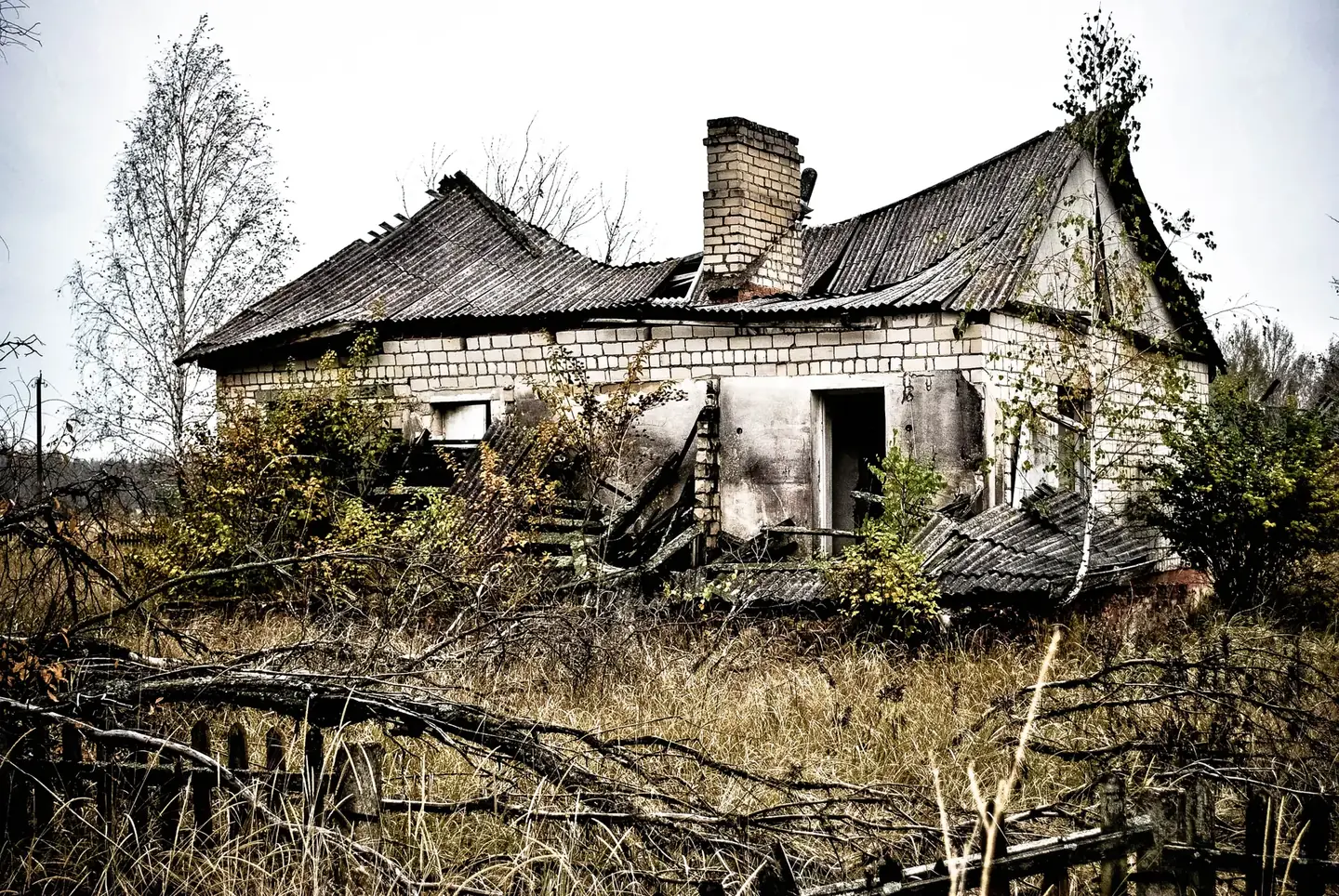
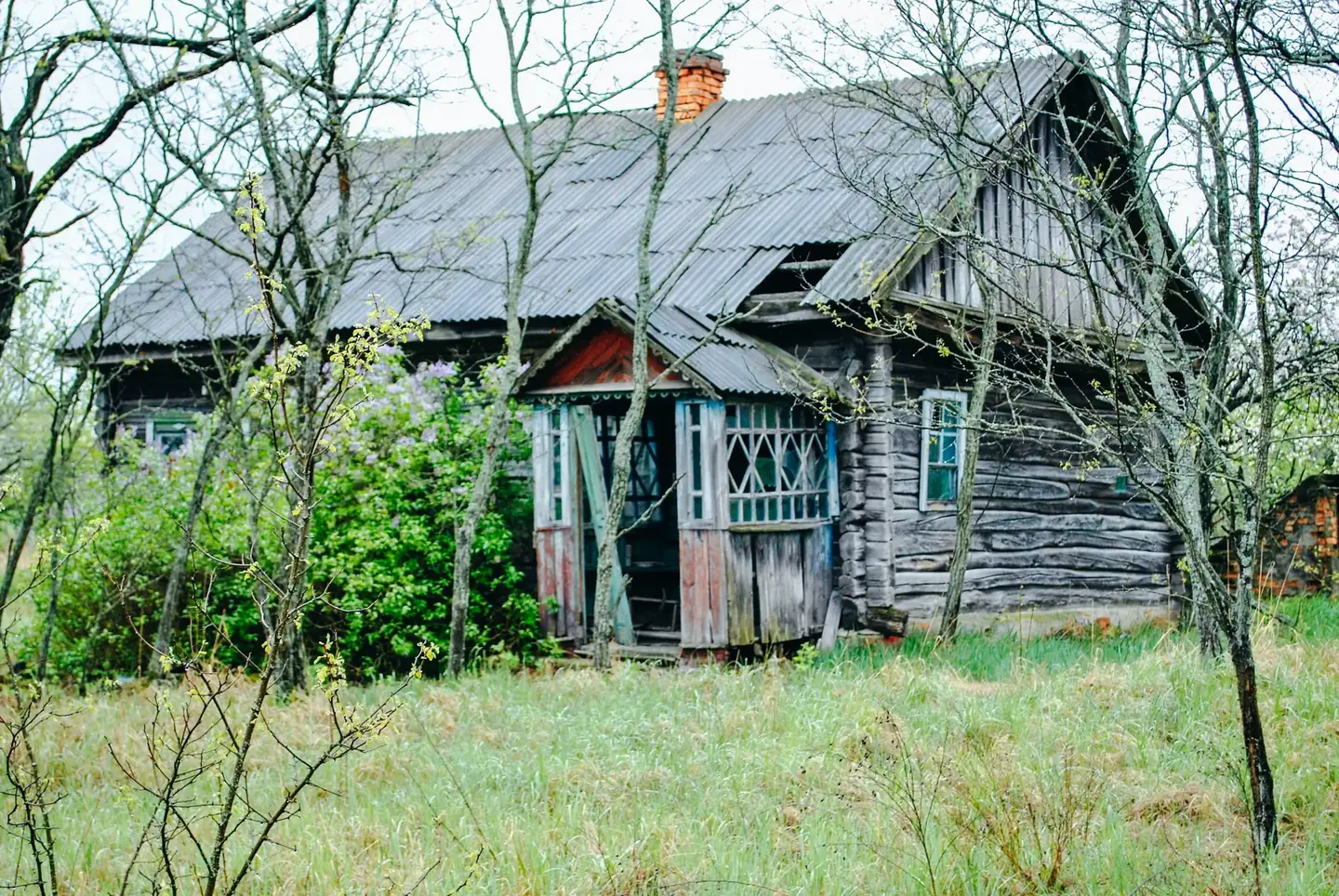
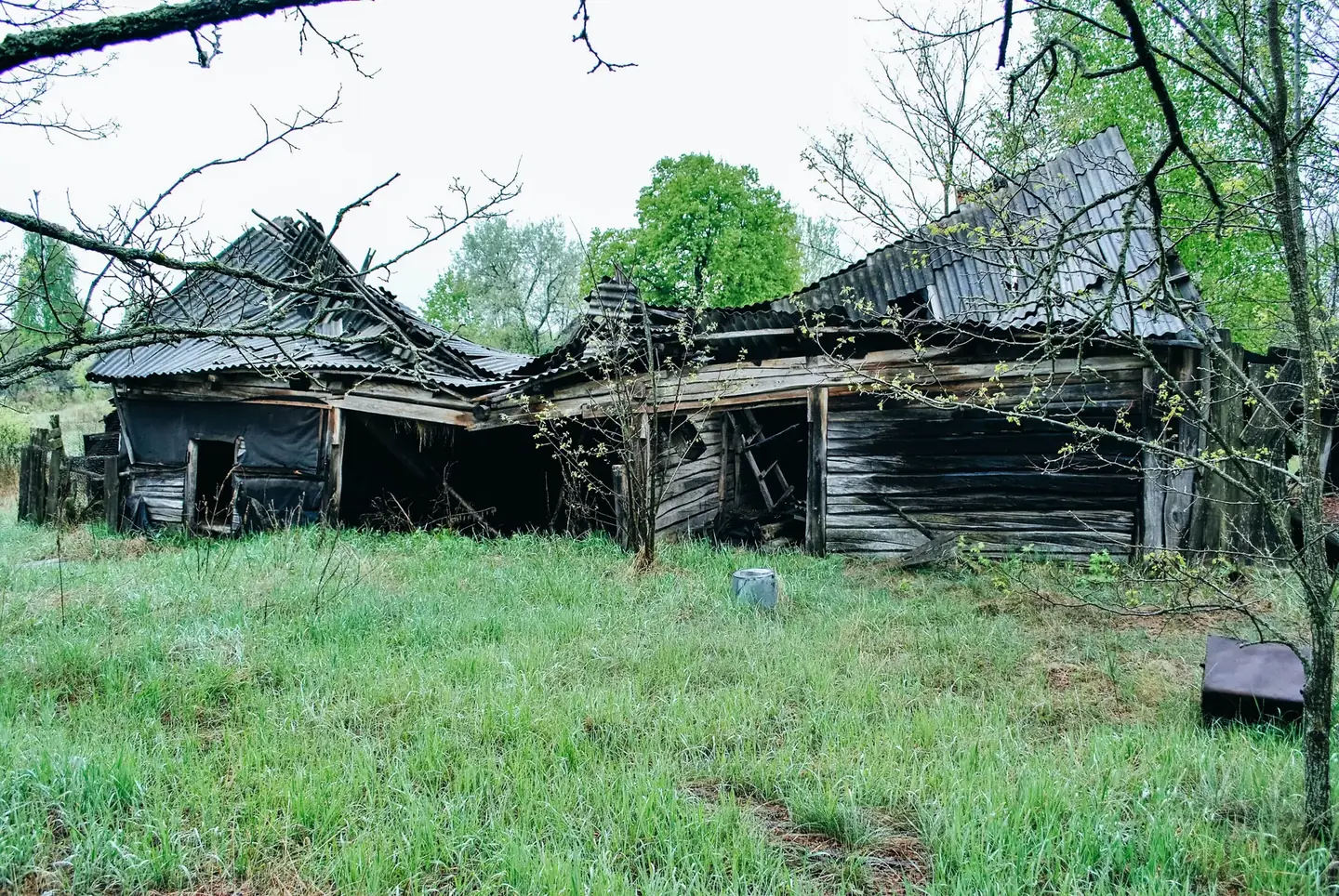
Chernobyl Exclusion Zone
Explore the research

Four questions, from the whole ecosystem down to the cell.

Contaminants affect wildlife at every level of life, from whole ecosystems down to single cells.

Cara’s research uses spans these levels of ecological and biological hierarchy.

Contaminated soil and waterPlantsInvertebratesAquatic insectsFungiSmall mammalsAmphibiansElk and boarWading birdsWolvesScavengers
Ecosystem

How do contaminants reshape whole ecosystems?

To understand how animals survive pollution, it helps to start with the whole landscape. What in the environment decides how much pollution an animal takes in? Radiation at Chernobyl, mercury in Carolina wetlands and lead from bullets across the condor’s range can affect whole food chains, not just one species.

population sizegenerations →contaminant exposure beginspersistsdeclines
Population

Why do some populations persist where others collapse?

Within anthropogenically altered ecosystems, populations facing the same contaminant exposure frequently diverge in susceptibility. Some decline, while others hold on for generations.

Wolf movement through a radioactive environment
Low doseHigh dose
Individual

How does contaminant exposure shape an animal’s health?

No two animals are exposed alike. A wolf’s dose depends on where it roams; a condor’s on what it scavenges; a nestling’s on what its parents bring home. And each individual will interact with other stressors in complex ways.

position along the genome →
Mechanism

What makes resistance, resilience, and/or adaptation possible?

At the deepest level are the genes and cellular processes that let some animals tolerate what harms others. Studying them helps explain who is vulnerable, and why.

Featured projects

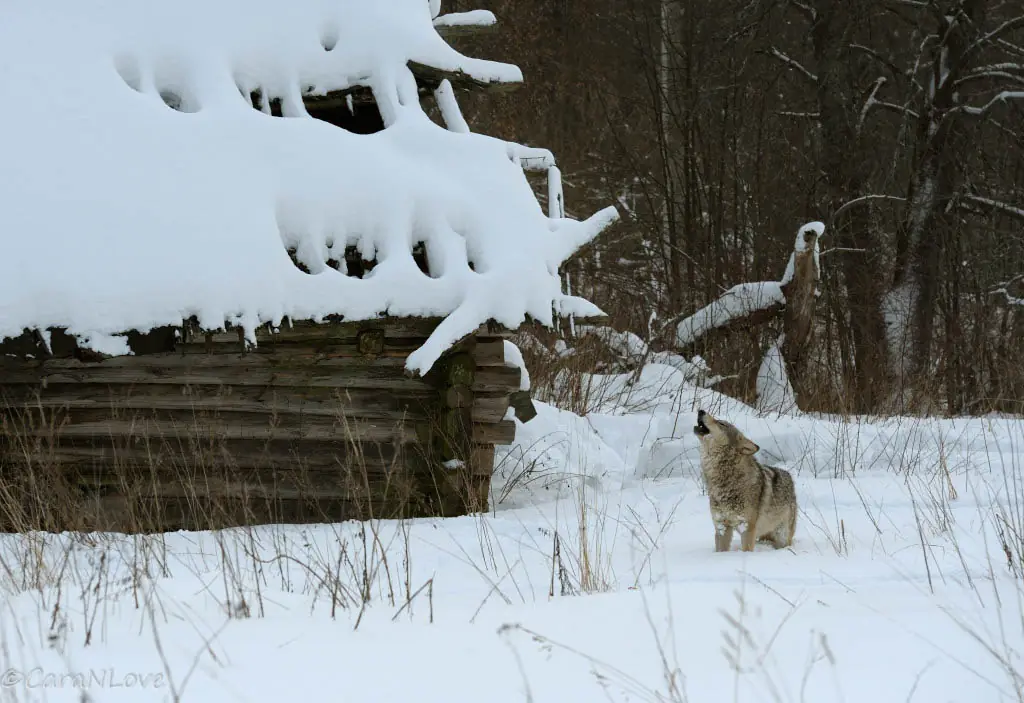
Gray wolf howling beside an abandoned log house in the Chernobyl Exclusion Zone
Chernobyl Ongoing

Long-term impacts of living in Chernobyl

How living with radiation, generation after generation, affects the health and survival of wolves and other wildlife.

View project →
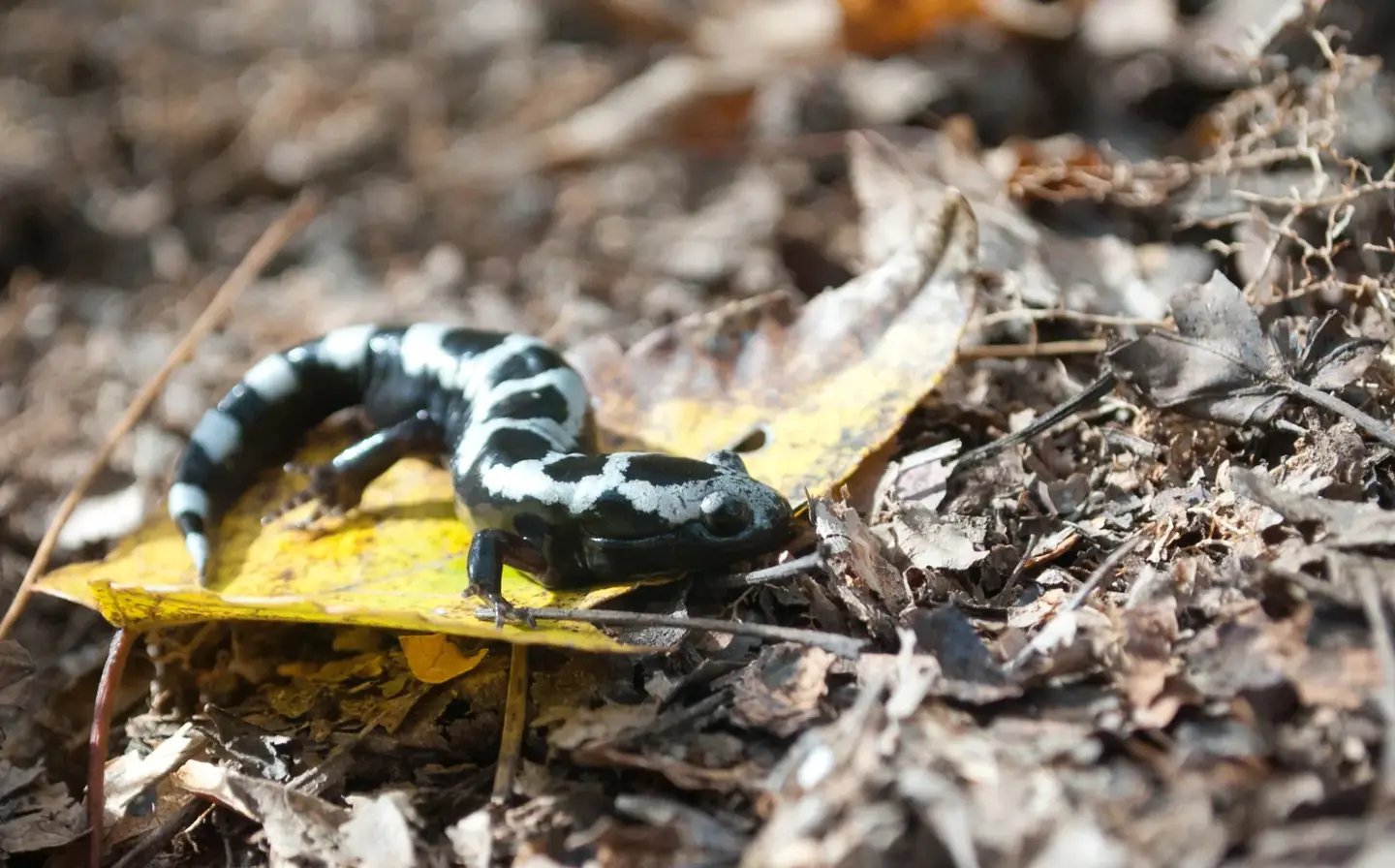
Salamander, southeastern US wetland
Contaminated waters Ongoing

How does one persist in contaminated waters?

Explores the ecological and evolutionary consequences of heavy metal contamination for some of the world’s most sensitive taxa.

View project →
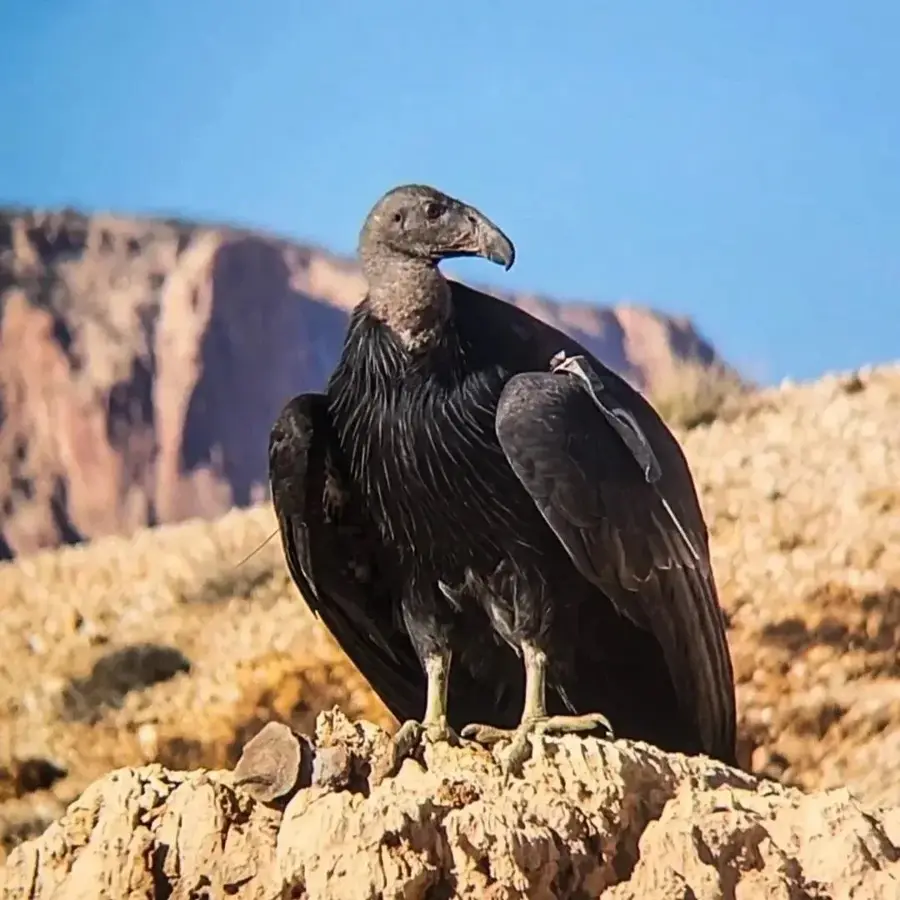
California condor perched on a canyon rim
California condors Ongoing

Resilience in an endangered species

Examines genomic and physiological mechanisms behind susceptibility to environmental stressors and highly pathogenic avian influenza (HPAI) in the California condor.

View project →
Other research Several threads

Other research

Spans host adaptation to Rabies, disparate exposure risks in subsistence fishers, and crane conservation.

View project →

Research approach

From whole ecosystems down to molecular mechanism.

Ecosystem

Field studies across contaminated ecosystems, from the Chernobyl Exclusion Zone to wetlands of the southeastern United States.

Population

Comparative studies of animals with different pollution exposure histories.

Individual

Quantifying individual exposure, condition and immune function.

Mechanism

Analyzing genes and body chemistry for signs of what helps animals survive.

Some animals may already have answers to persistent and complex biological problems that medicine is still working to uncover.

Many of these projects go on to ask what nature’s survivors could teach the rest of us.