 Chernobyl Exclusion Zone
Chernobyl’s legacy
To this day, Chernobyl is one of the most disastrous radioactive accidents in history and the Chernobyl Exclusion Zone remains one of the most radioactive environments worldwide. Our team seeks to determine the effects of long-term radiation exposure, from characterizing chronic dose, to molecular and ecosystem level responses.
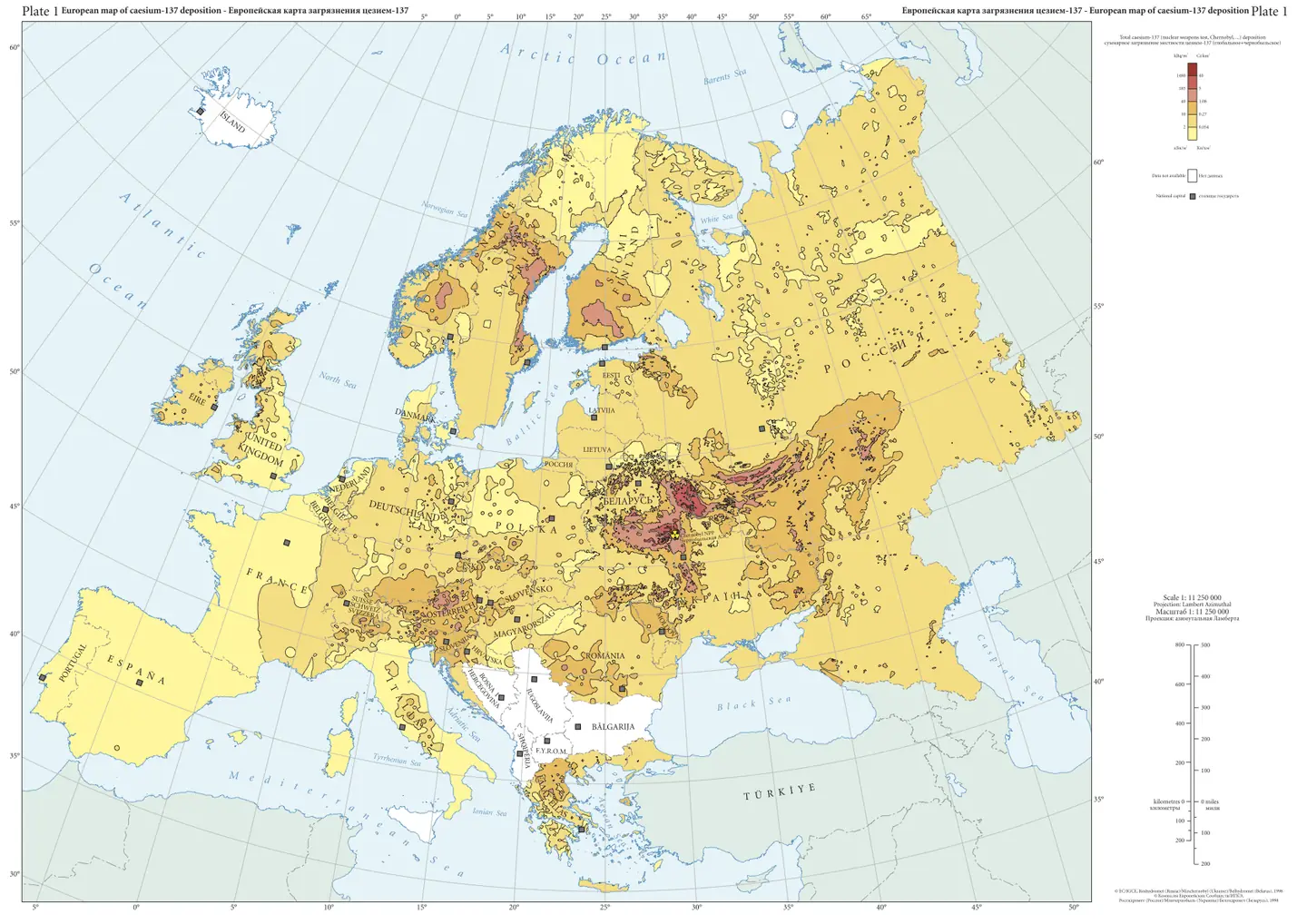 Radiation contamination levels across Europe (Atlas of Current and Predicted Consequences of the Chernobyl Accident on the Affected Territories of Russia and Belarus, 2009)
The Chernobyl Exclusion Zone
The Chernobyl Exclusion Zone (CEZ) was established around the most highly contaminated regions. Radionuclides including cesium-137 and strontium-90, with half-lives measured in decades, remain embedded in the soil, vegetation, and food webs of the surrounding landscape.
Scientists still don’t fully agree on what this long-term contamination does to living things. As nuclear power grows around the world, and with Chernobyl, Fukushima and Three Mile Island as reminders of what can go wrong, it is urgent to understand how low levels of radiation over many years affect animals and people. Without that knowledge, it is impossible to plan how to protect the wildlife and people who live on contaminated land.
Wildlife in Chernobyl
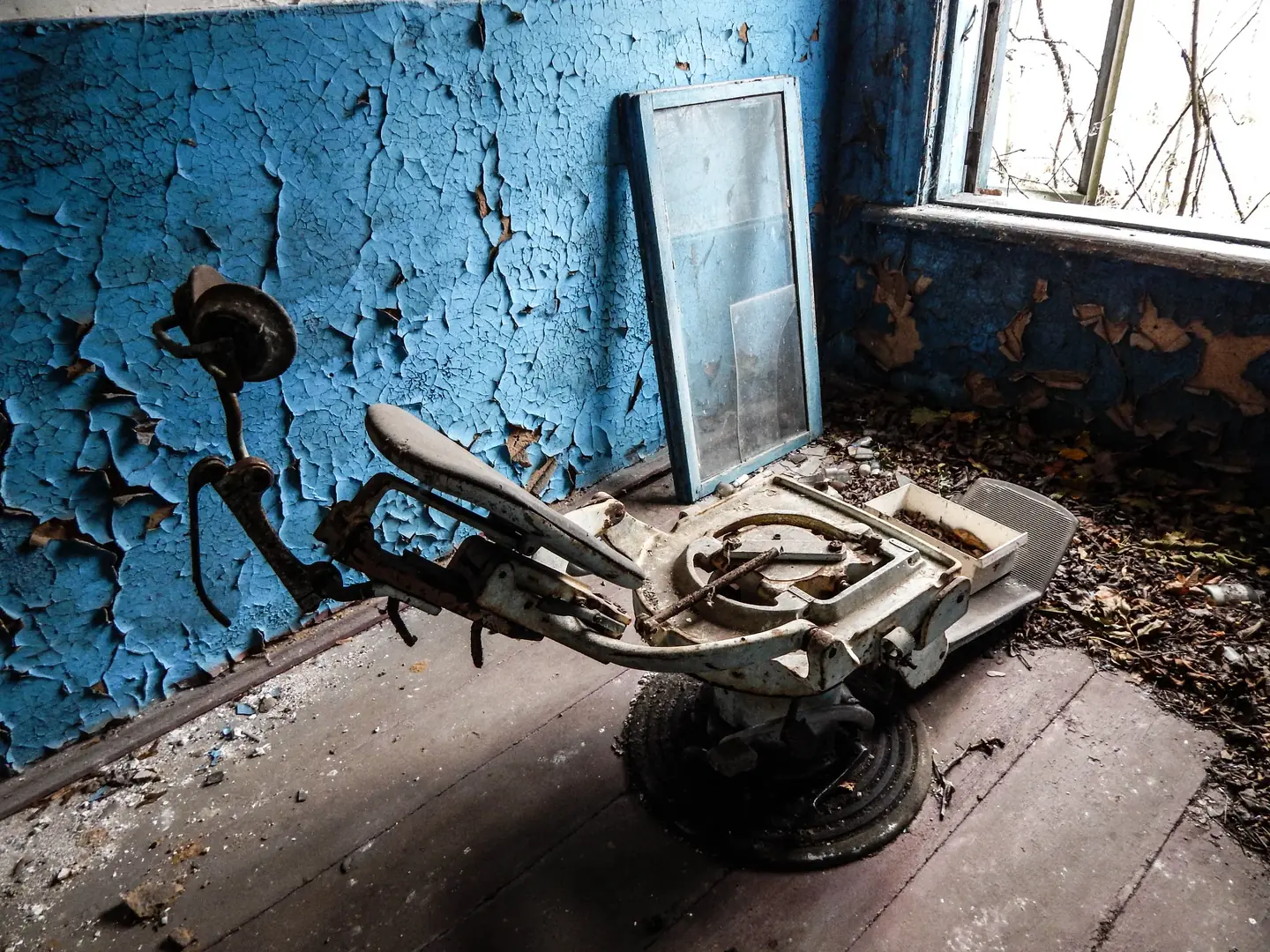
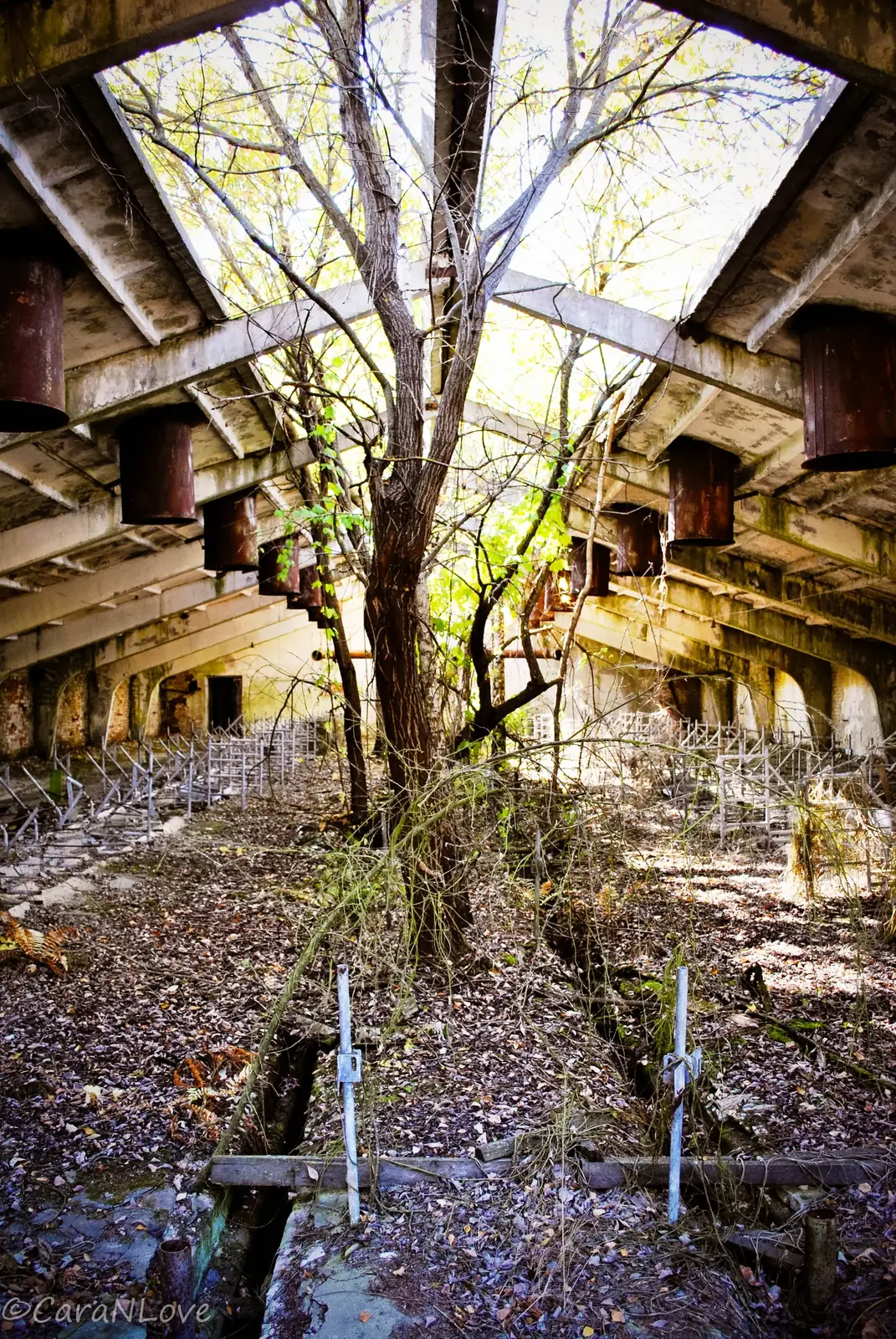
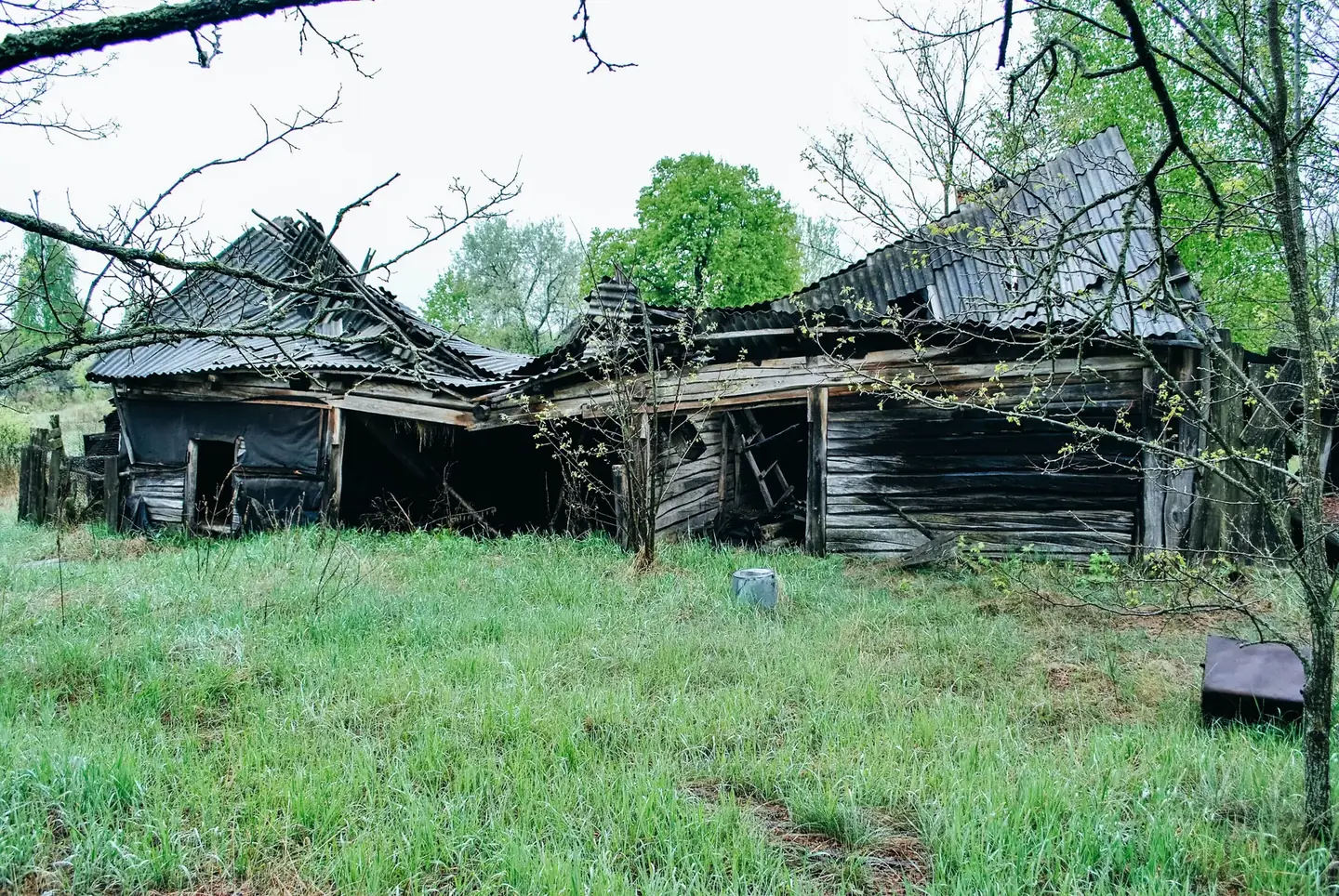
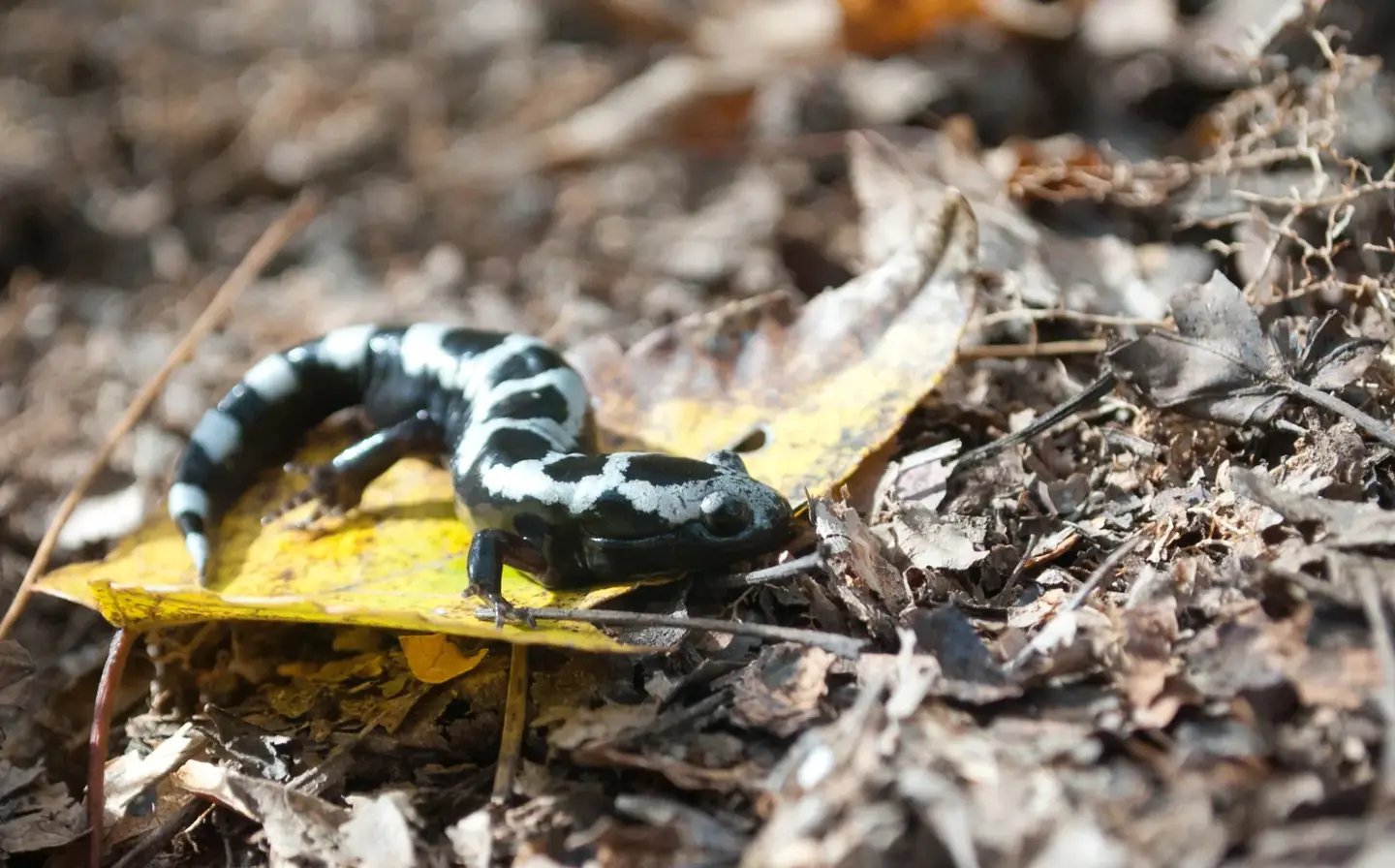
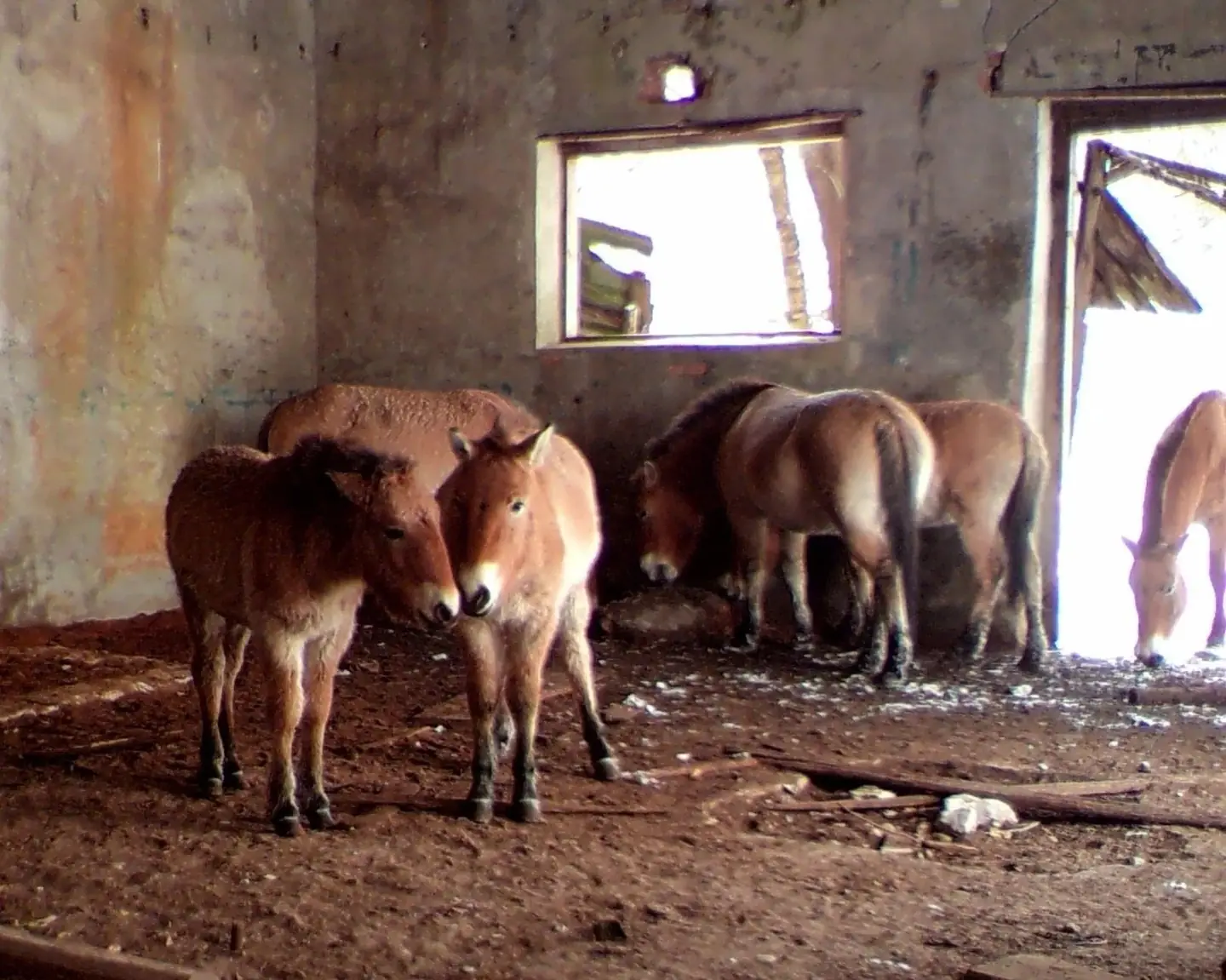
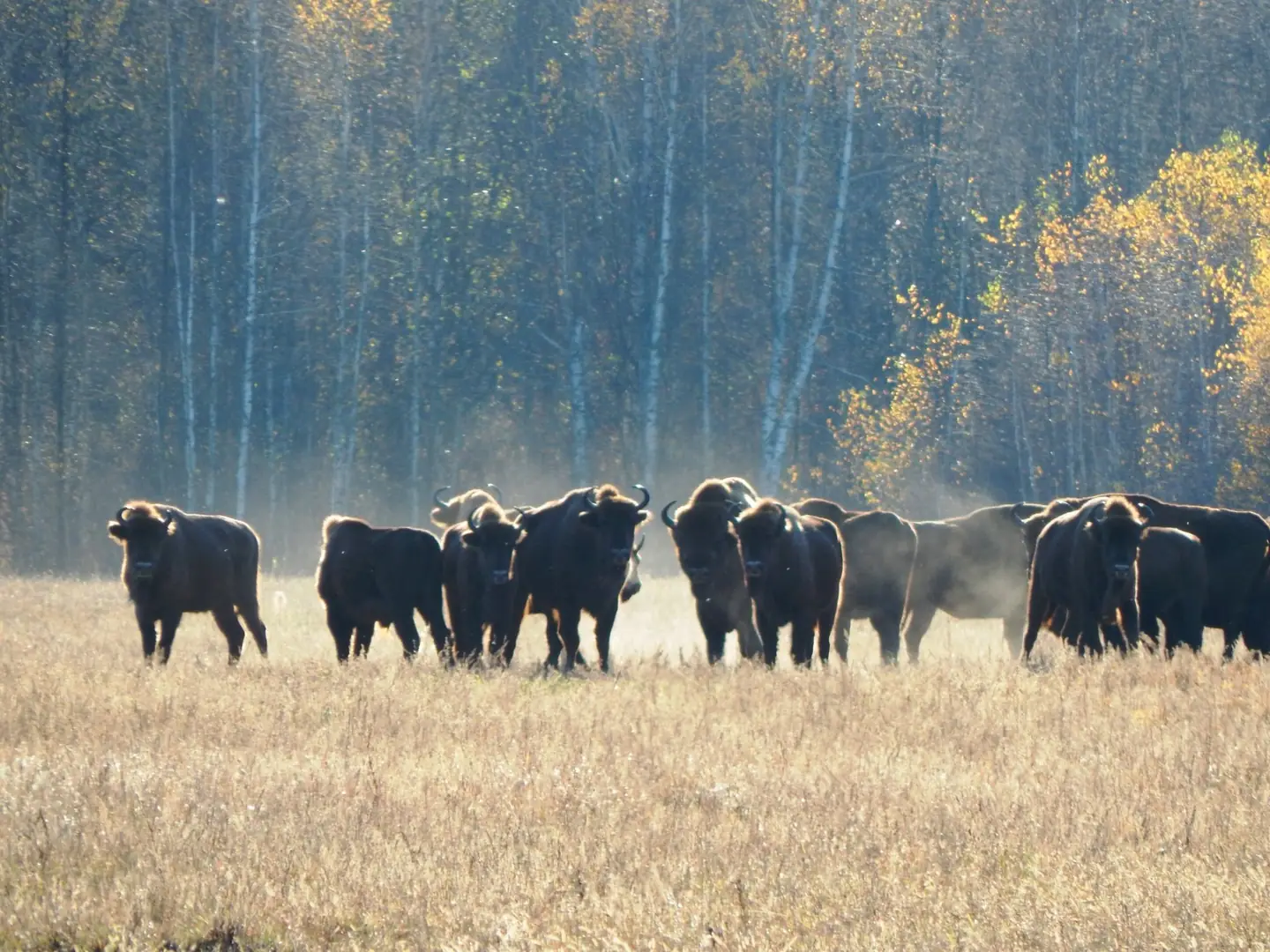
Since the Chernobyl Exclusion Zone was established, the surrounding landscape has remained abandoned and largely devoid of humans. Wildlife including Eurasian lynx, Przewalski’s horses, bison, raccoon dogs, fire-bellied toads, and wolves now roam freely through abandoned towns and regrowing forest.
 Gray wolves
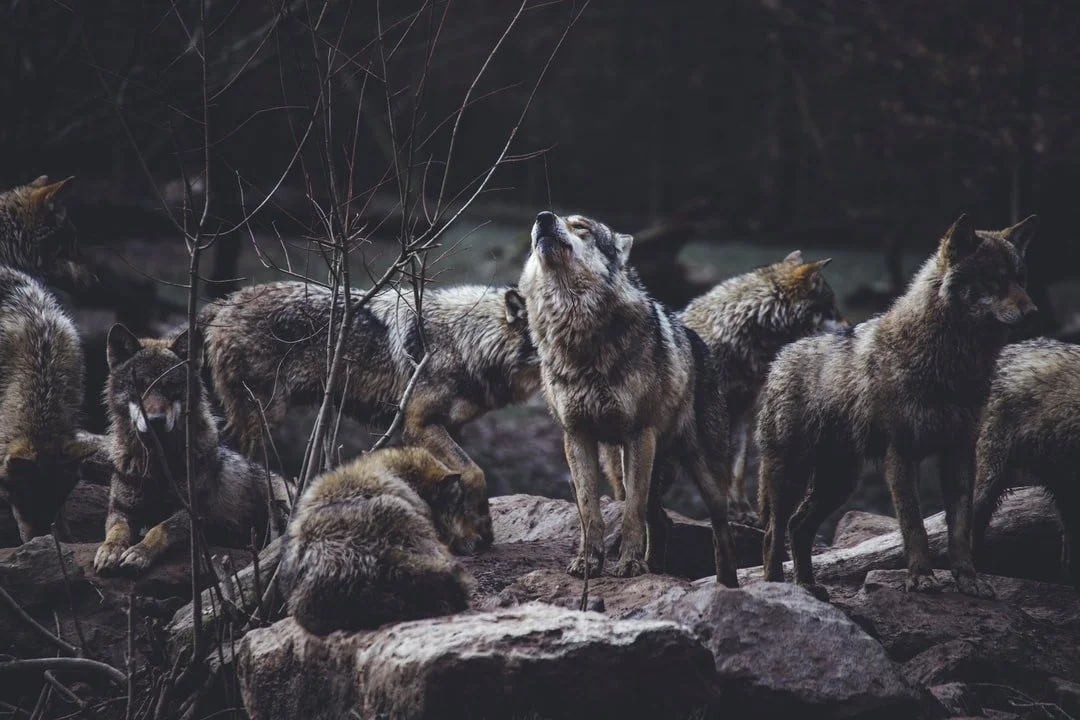
Wolves of the Exclusion Zone
Gray wolf population densities within the exclusion zone are estimated at up to seven times higher than in surrounding protected reserves. This suggests that the exclusion of human disturbance may be an integral part of species’ use of the zone, and may interact with radiation responses for some species.
Whether these populations are merely persisting, or are undergoing measurable adaptive evolution in response to chronic radiation stress, is a central question driving this research.
How much radiation are they exposed to?
Radiation levels vary a lot from place to place, so each animal’s dose depends on where it goes. We deployed unique GPS collars that recorded both where they were and how much radiation they were exposed to, in real time.
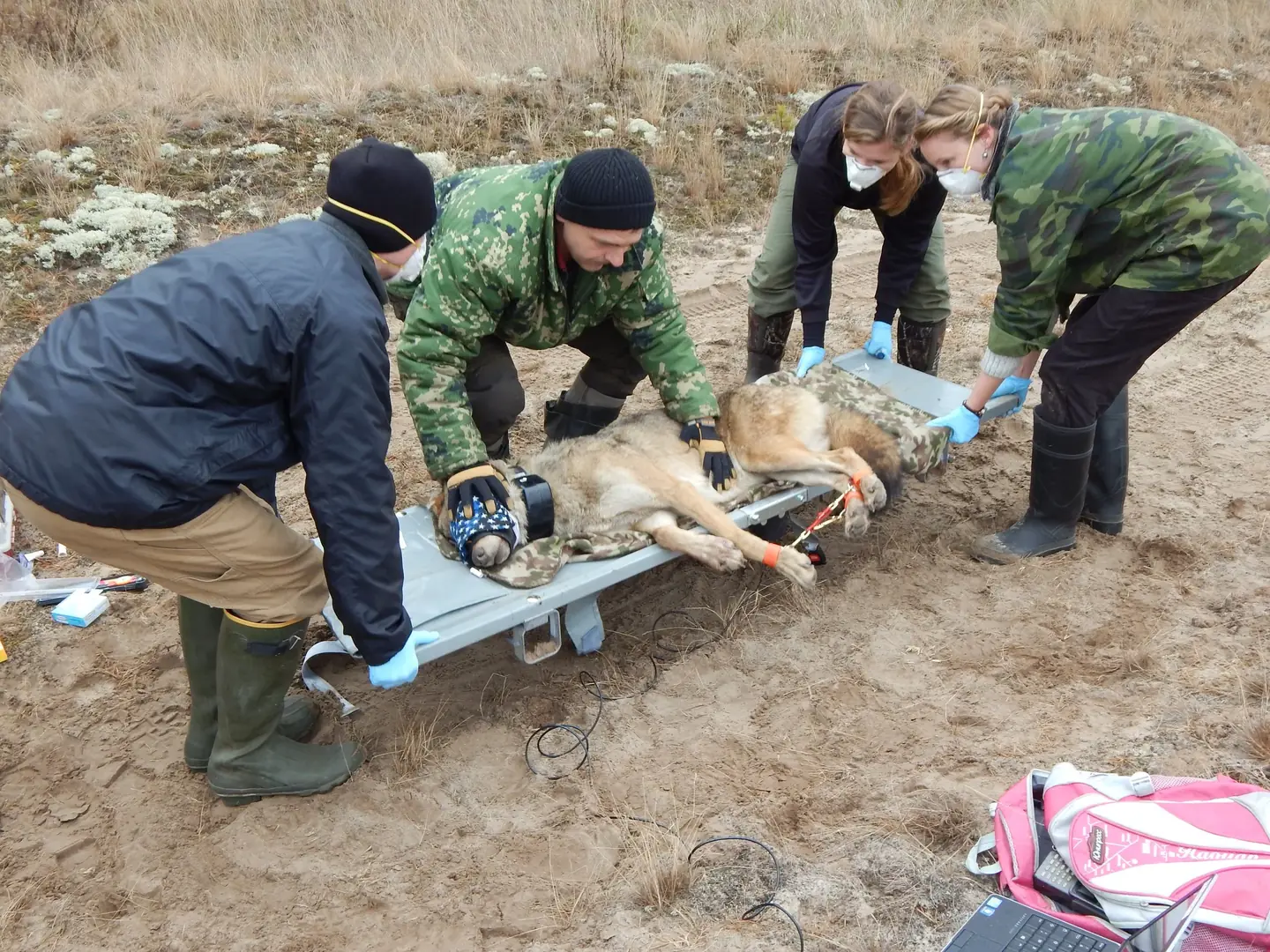 Monitoring a collared wolf in the field
What does a lifetime of radiation do to the body?
Radiation can damage DNA, interfere with the body’s ability to repair itself and throw the immune system off balance. But we still know little about what happens when animals live with lower levels of radiation for their whole lives, as they do at Chernobyl.
Using tests of overall health, cancer markers and the immune system, our research looks at what constant radiation does to wild animals over their whole lives, and across generations.
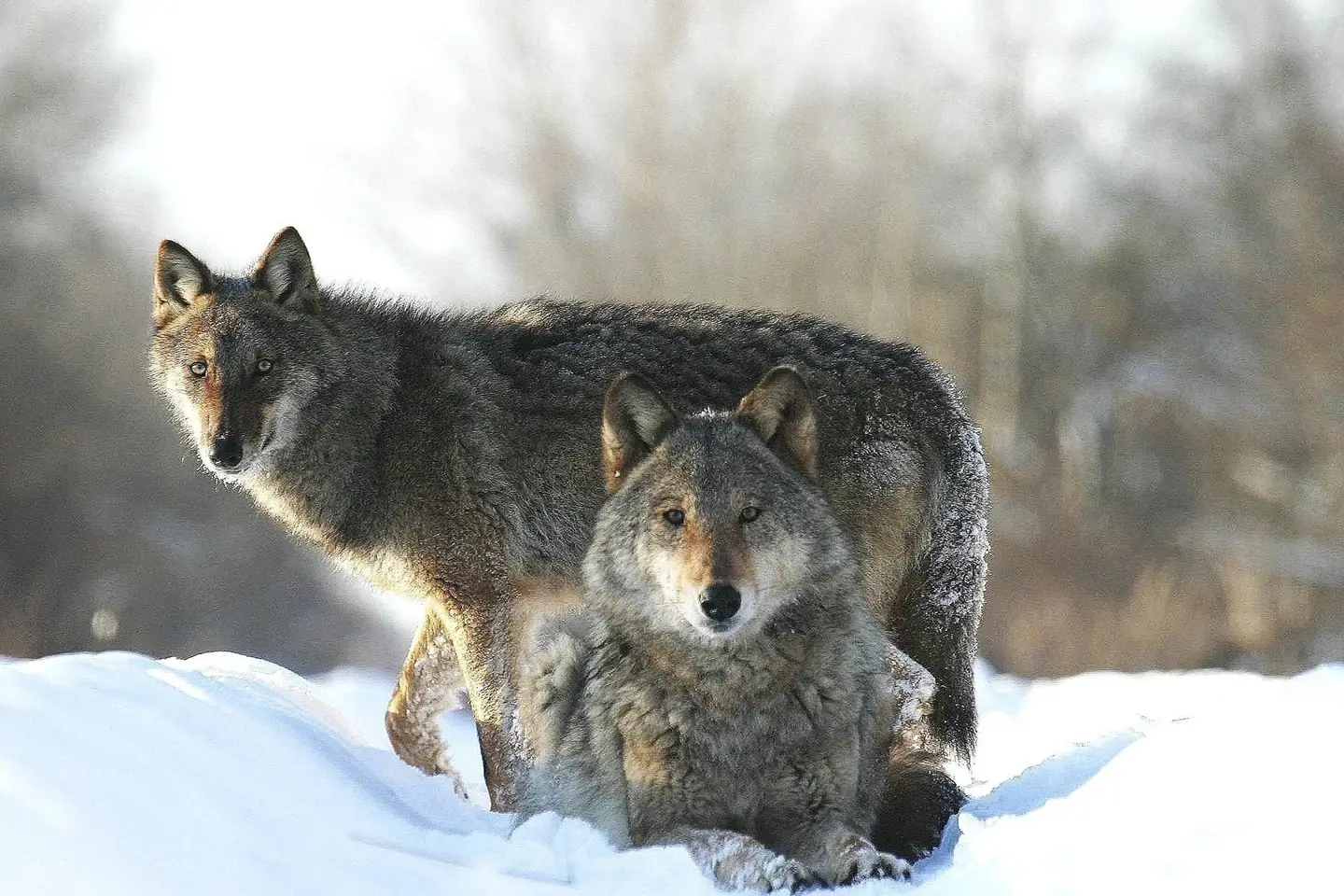 Gray wolves in the CEZ - Photo: Dmitry Shamovich
What can we learn from the genomic architecture of populations experiencing multigenerational radiation exposure?
We utilize genomic and transcriptomic techniques to examine this question from many angles. Is there evidence that chronic radiation exposure is acting as a selective force on these populations? Does the CEZ act as a barrier to gene flow? Is there evidence that genetic variation within Chernobyl populations allows for increased resilience to radiation exposure?
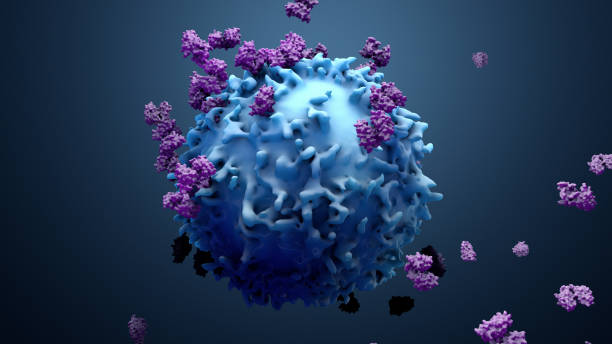
What this could mean for human health and cancer research
We are finding that the biological challenges faced by Chernobyl wildlife as a result of radiation exposure, are not unlike those confronted by astronauts, or human populations living in proximity to contaminated environments.
Working with university and industry cancer researchers, we are asking whether what helps Chernobyl’s animals cope could point to new ways to treat or protect people.
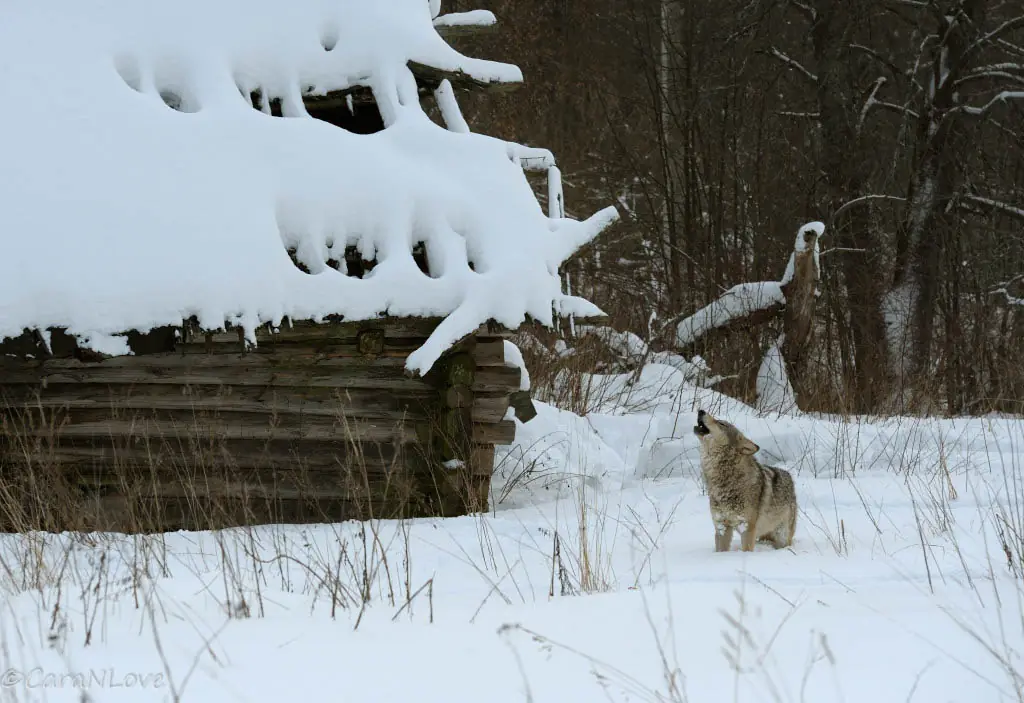
Selected publications from this project
All publications →Collaborations
This project is part of a large collaborative group across disciplines. Some of the closest collaborators are listed below, but this list is ever growing. We also have numerous funding sources, past and present, that have contributed to this work.
Norwegian University of Life Sciences








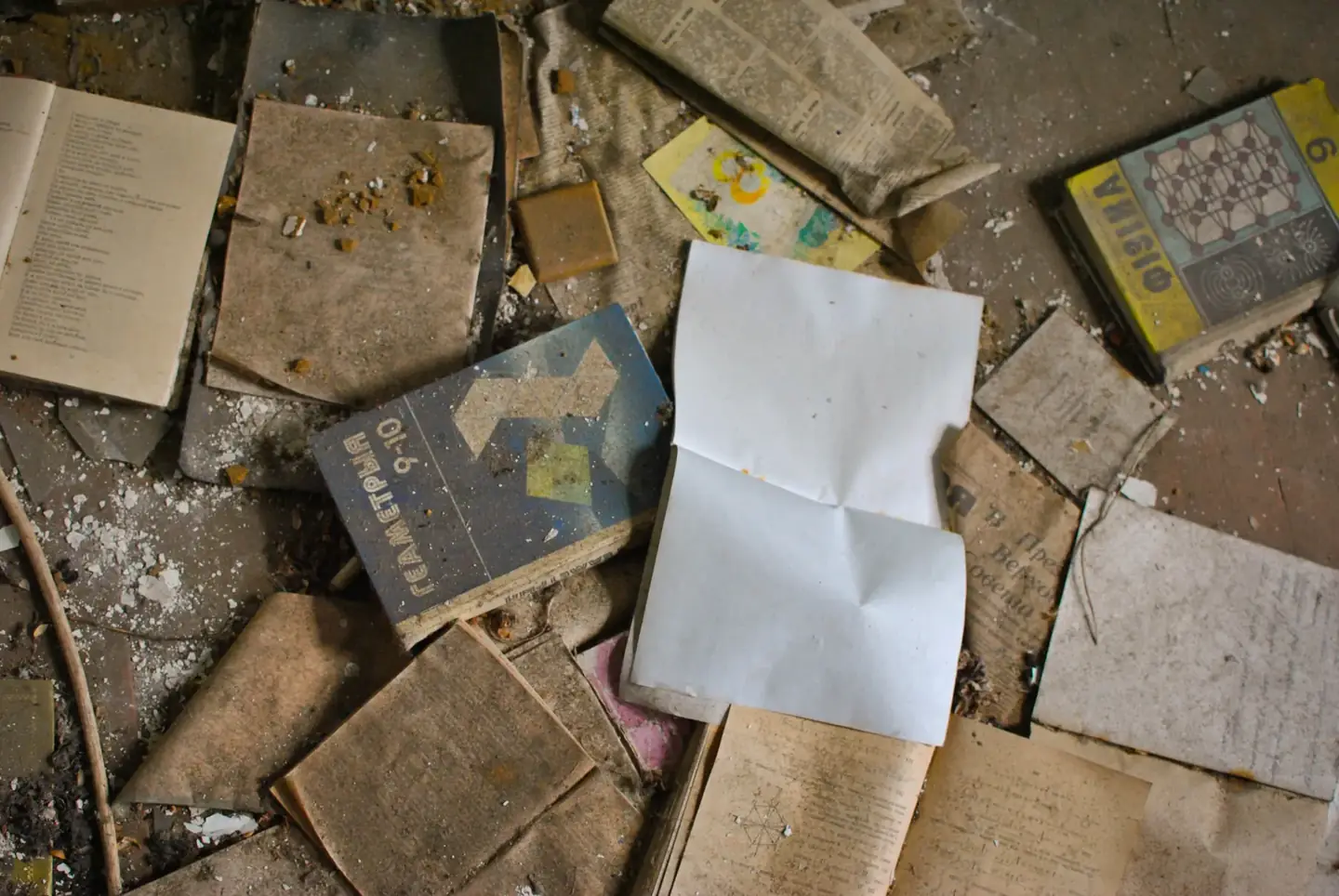
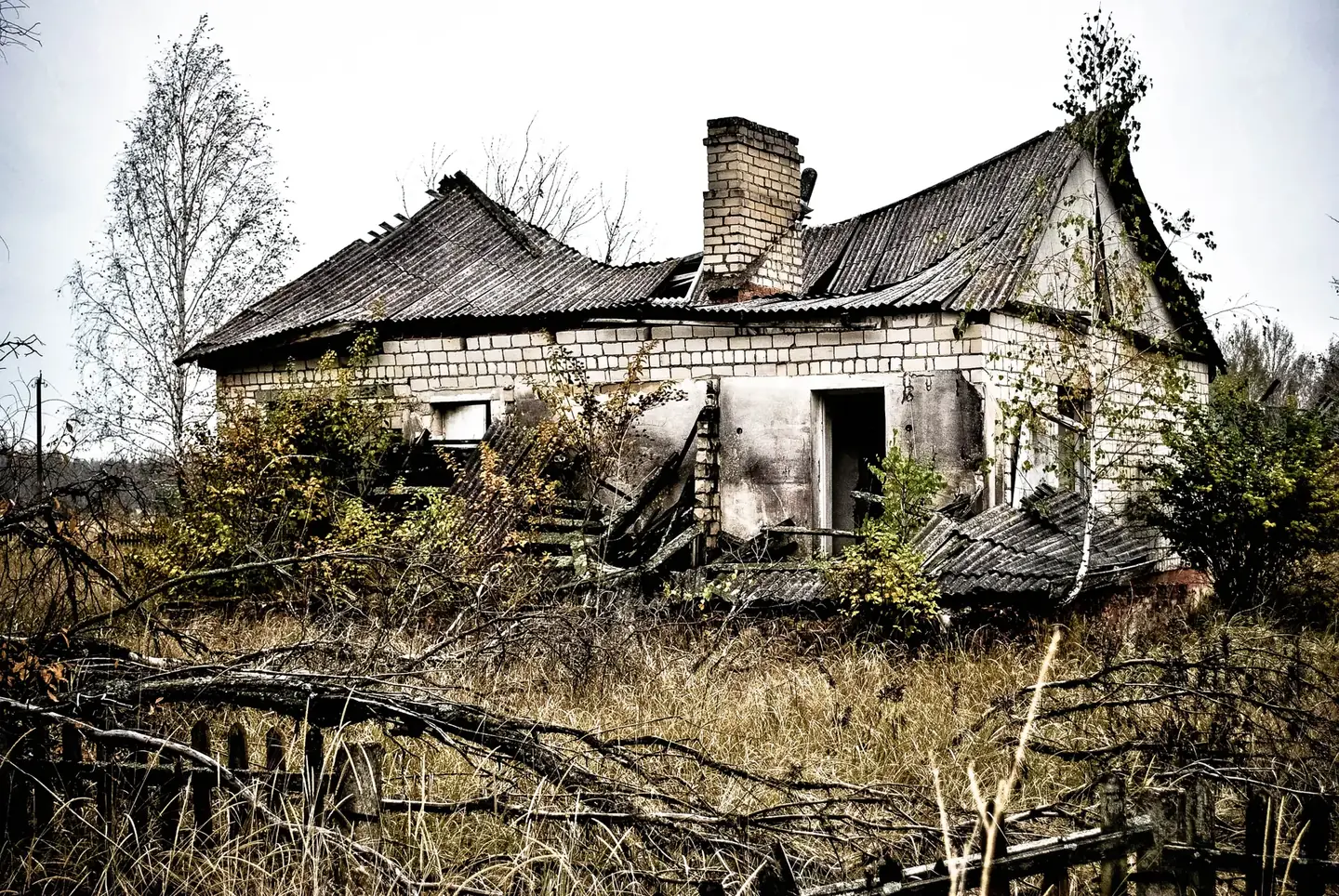
Forty years on, the Exclusion Zone is a landscape people left behind and nature moved in.