Contaminant exposure through subsistence fishing
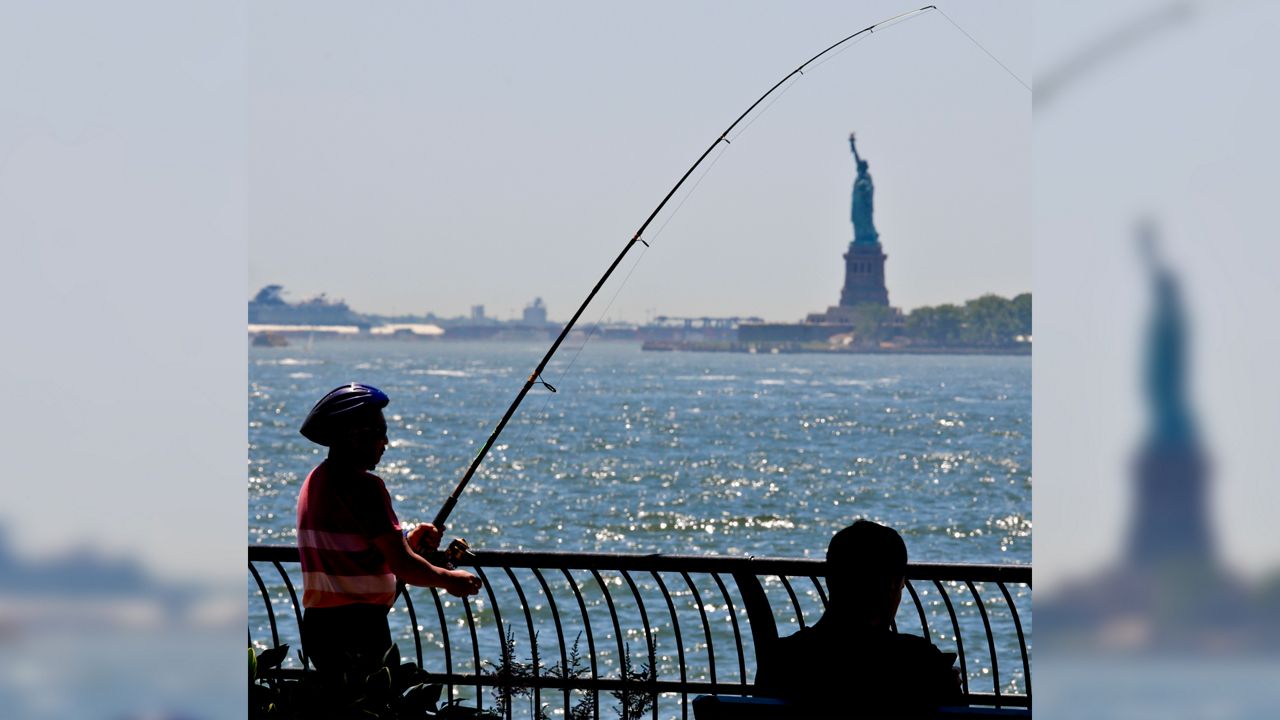
For communities that rely on subsistence fishing, exposure to contaminants such as mercury can be quite high. This project examines how contaminant consumption has shifted over time and how exposure intensity differs across groups that depend on these local fisheries.
In collaboration with Dr. Adam Jadhav and Dr. Ana Porzecanski of the American Museum of Natural History.
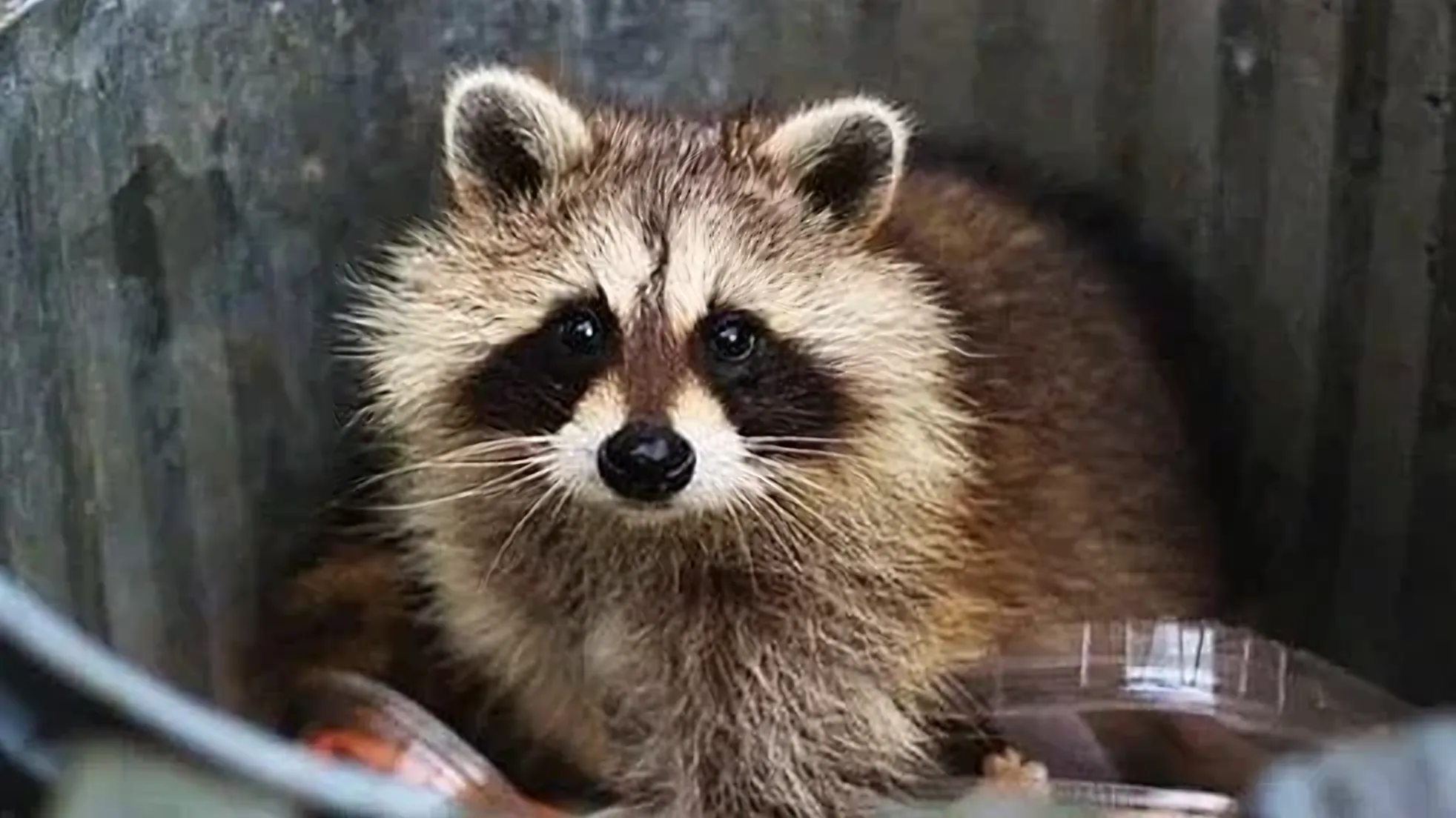
Host adaptation to rabies virus
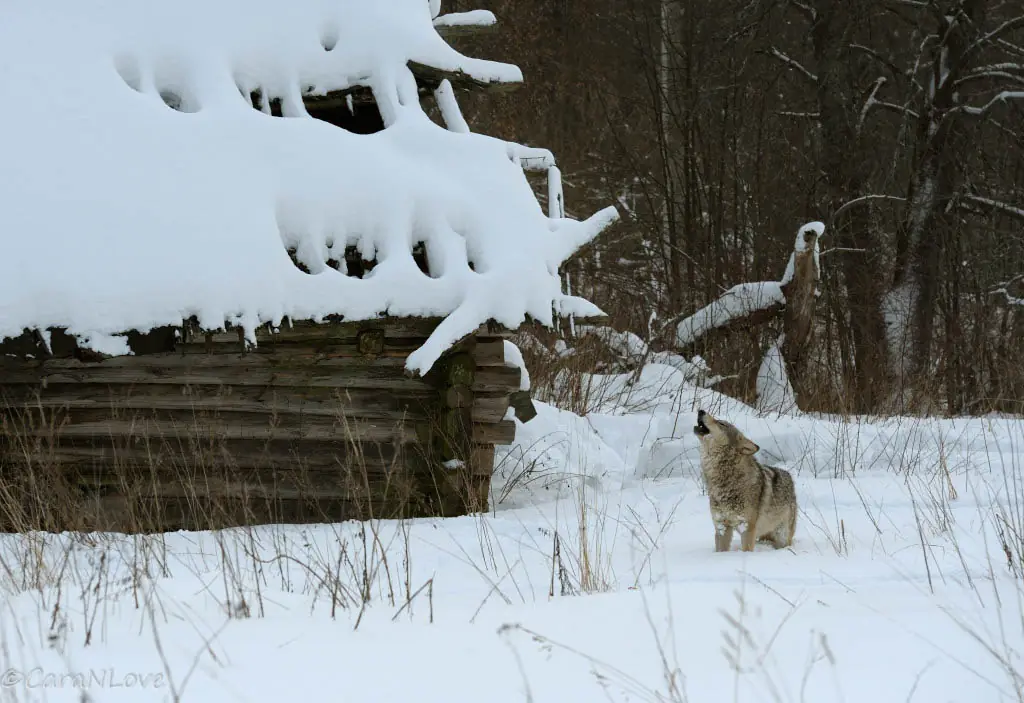
This work examines the selective pressures rabies virus has exerted on raccoons across their range, including urban and forest habitats.
In collaboration with Dr. Liz Kierepka and Dr. Taylor Ackley at the North Carolina Museum of Natural Sciences and NC State University.
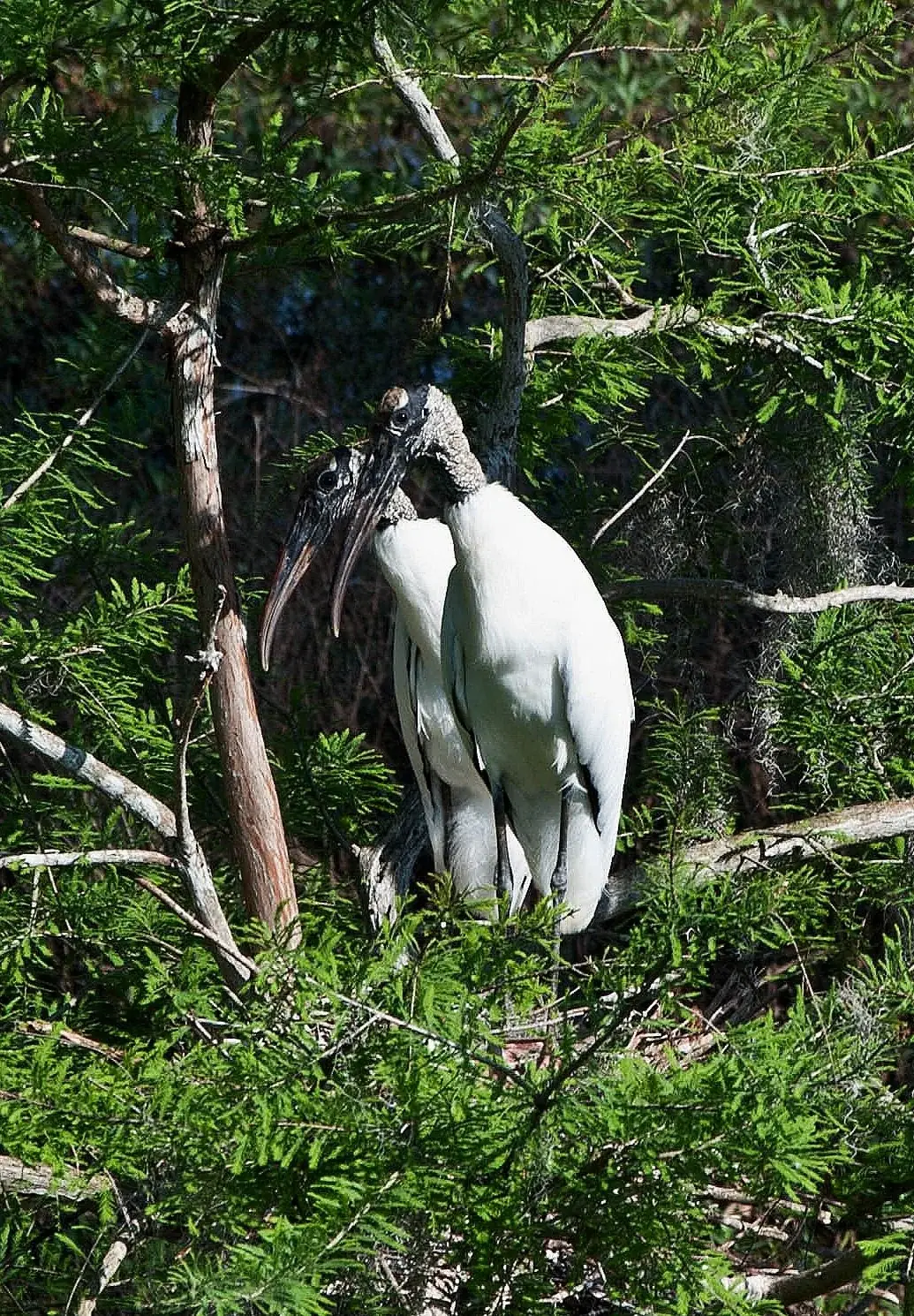
Avian malaria and mercury
Birds face burdens from both blood parasites and mercury. We tested whether hematozoa infection is associated with mercury exposure in wading-bird nestlings.
In collaboration with Larry Bryan and the Savannah River Ecology Lab.
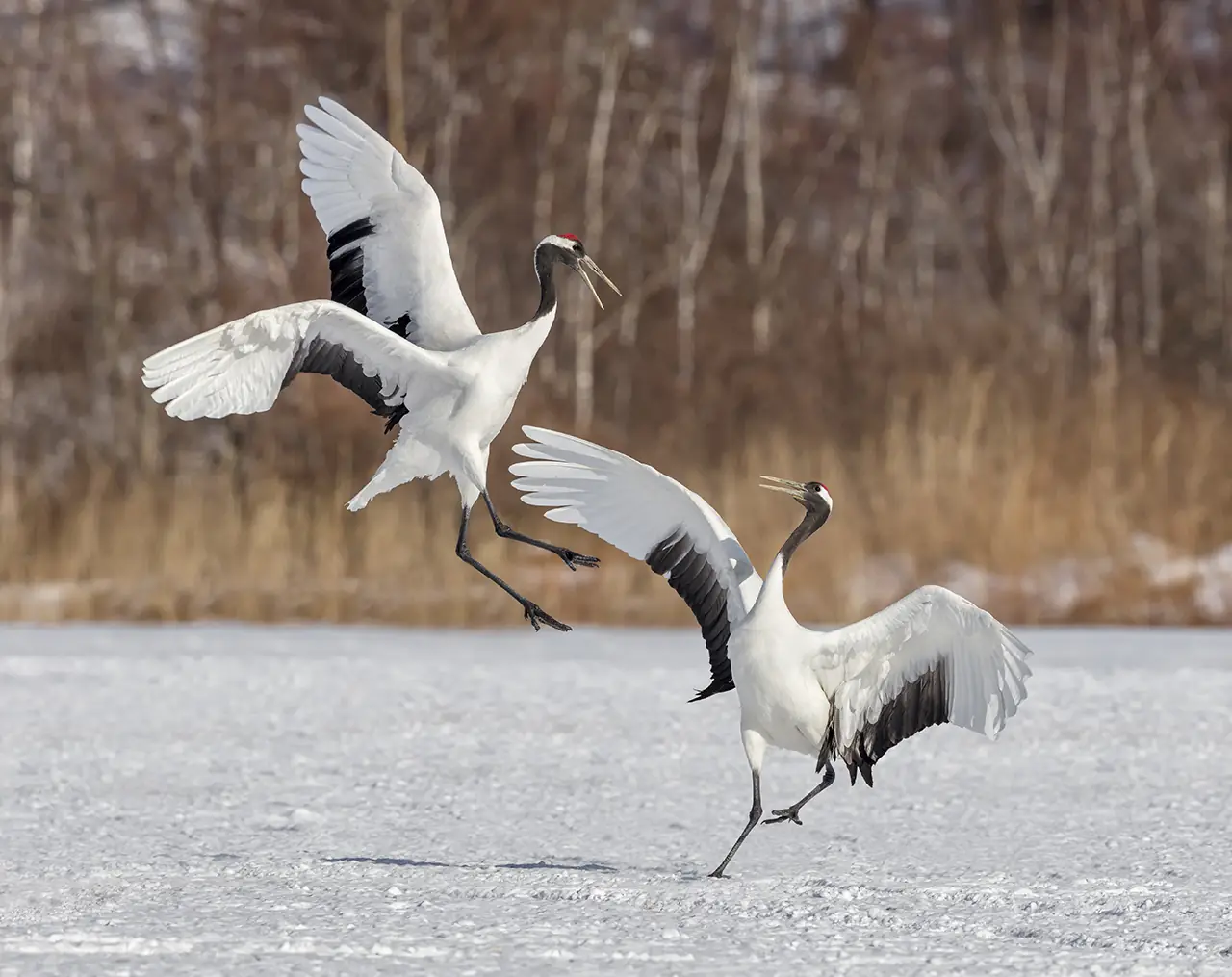
Crane conservation
This work monitored breeding behavior and habitat use of seven endangered cranes species at Muraviovka Park in Amur Oblast, Russia - a critical stopover for cranes and other waterbirds.
In collaboration with the International Crane Foundation.
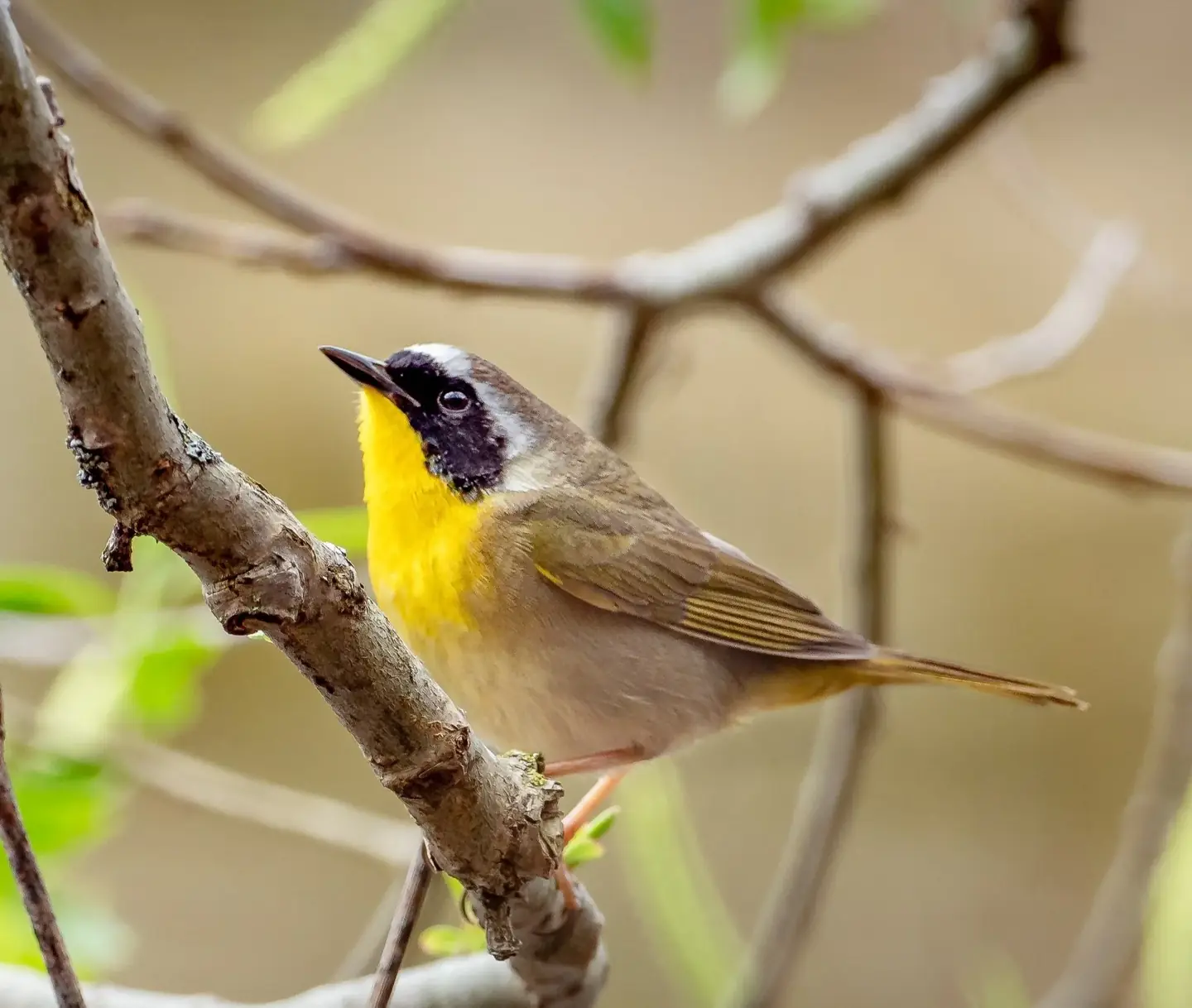
Mating-signal evolution
These projects examined evolution and behavior from several angles:
- Genetic analysis of plumage variation across a hybrid zone of Bearded Manakins, testing how divergent natural and sexual selection drive rapid speciation.
- How a genetic color polymorphism is maintained across five male color morphs of parae, and how behavioral and ecological factors help it persist.
- How human disturbance affects the signals birds use in mate choice and territory defense.
In collaboration with the Uy Lab ↗.