Amphibians as early warning signs for the environment
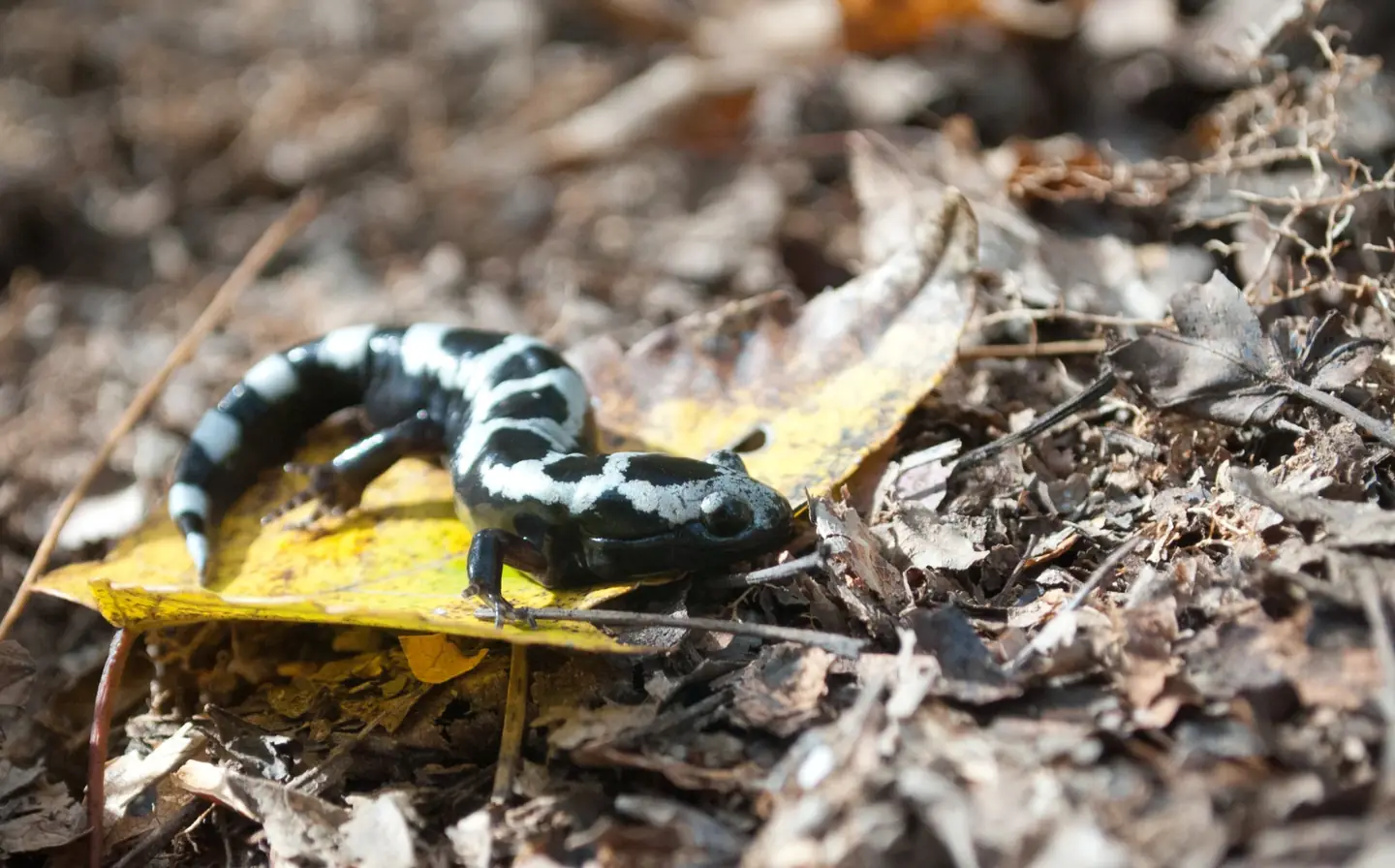
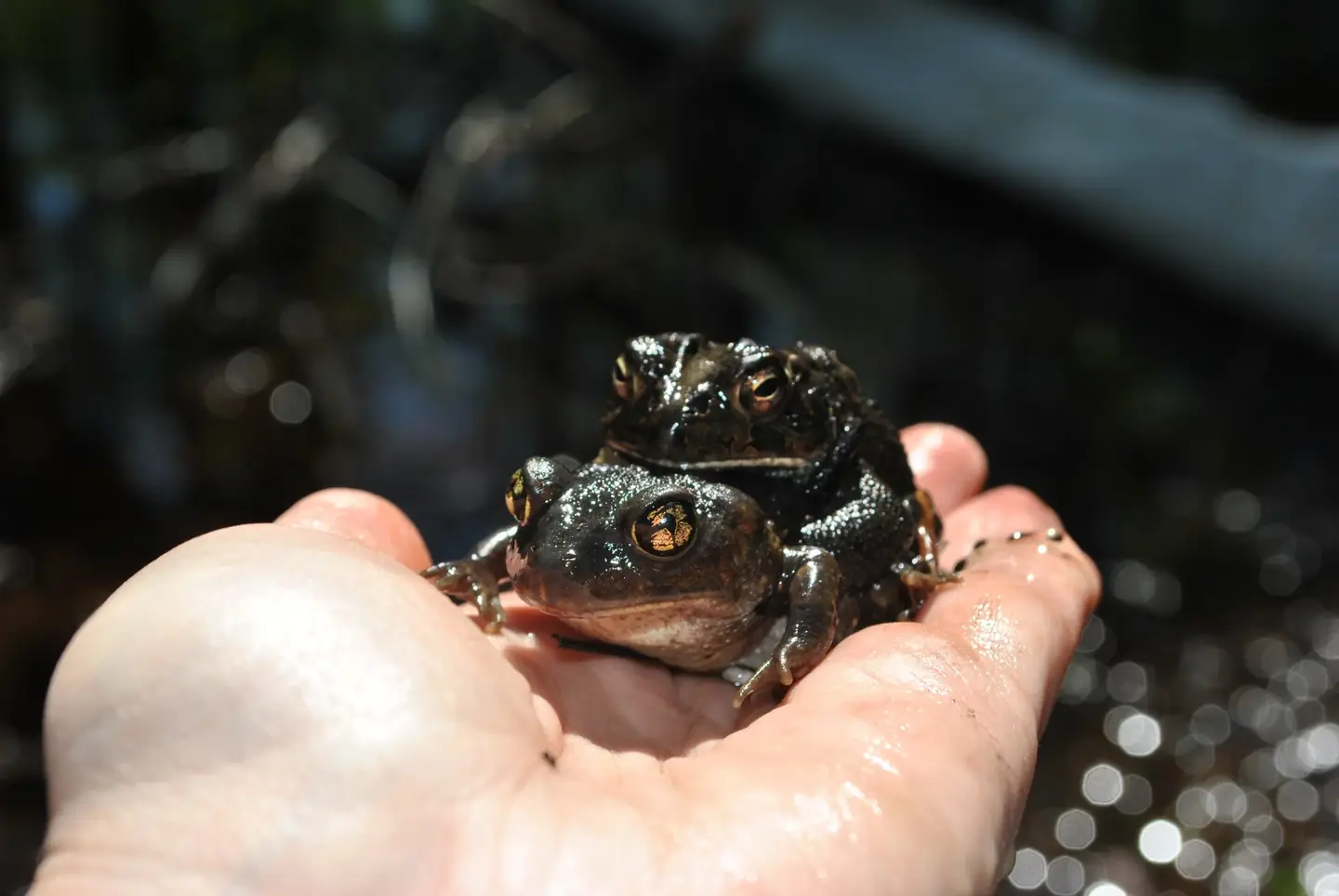
Amphibians possess highly permeable skin, making them acutely sensitive to changes in water chemistry and contaminant load. This, combined with their dual life histories spanning aquatic and terrestrial environments, positions amphibians as powerful bioindicators of ecosystem health.
Aquatic environments accumulate high levels of contamination
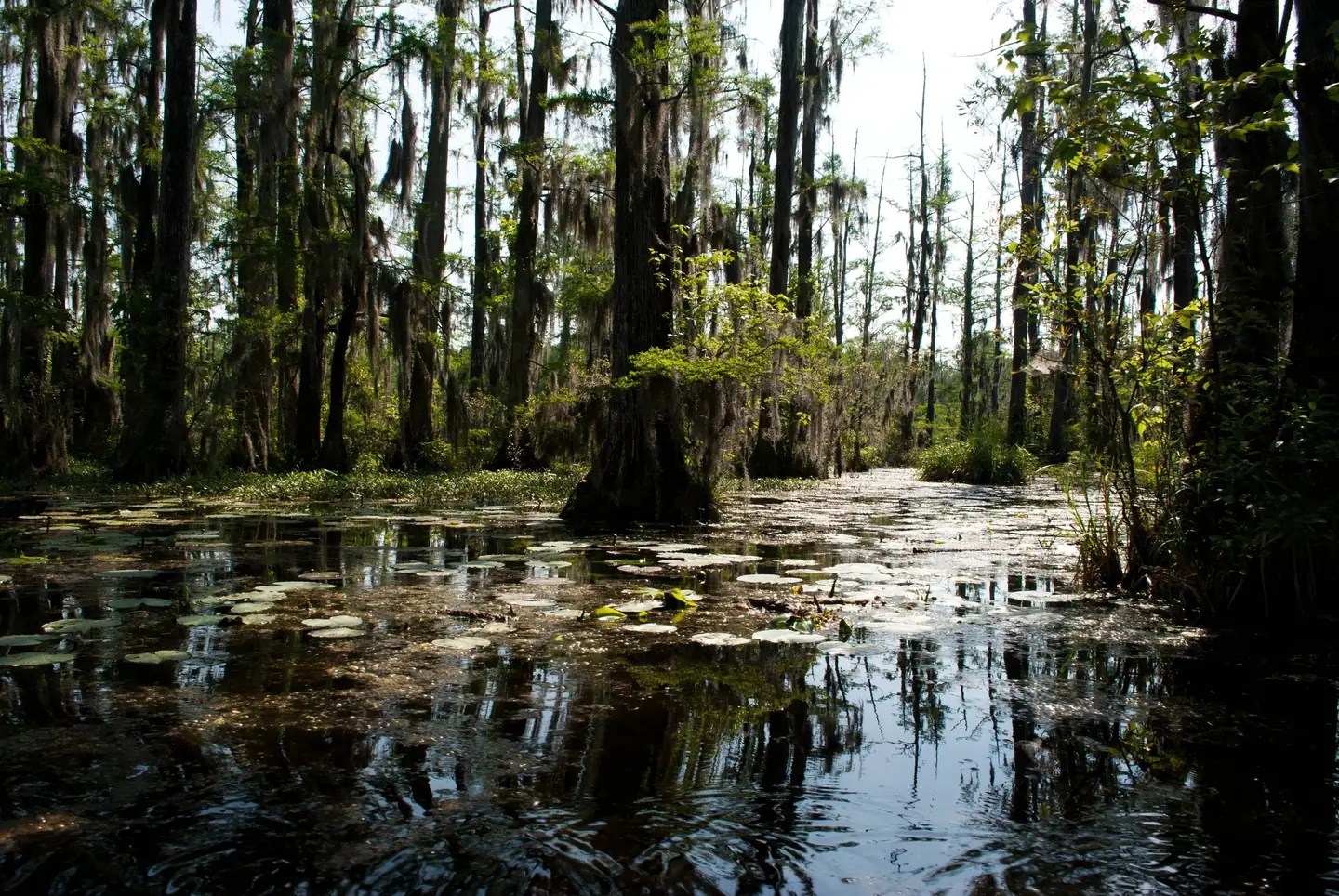
Runoff and atmospheric deposition carry a complex mixture of agrochemicals, heavy metals, and industrial byproducts into freshwater systems. Many of these compounds interfere with hormones or damage the nervous system, and they accumulate over time, reaching concentrations well above those of the original inputs.
Warmer, more unpredictable weather can also cause plants, algae and microbes to release more natural chemicals into the water. This changes the chemical environment in which amphibians develop. In some cases these metabolites can have direct effects on development and survival.
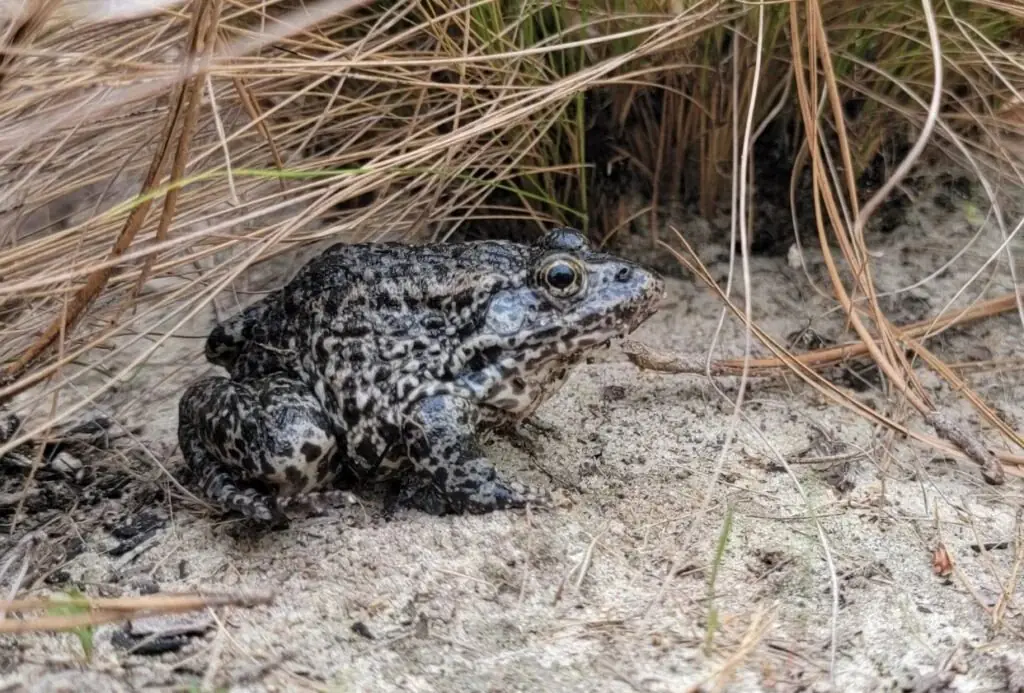
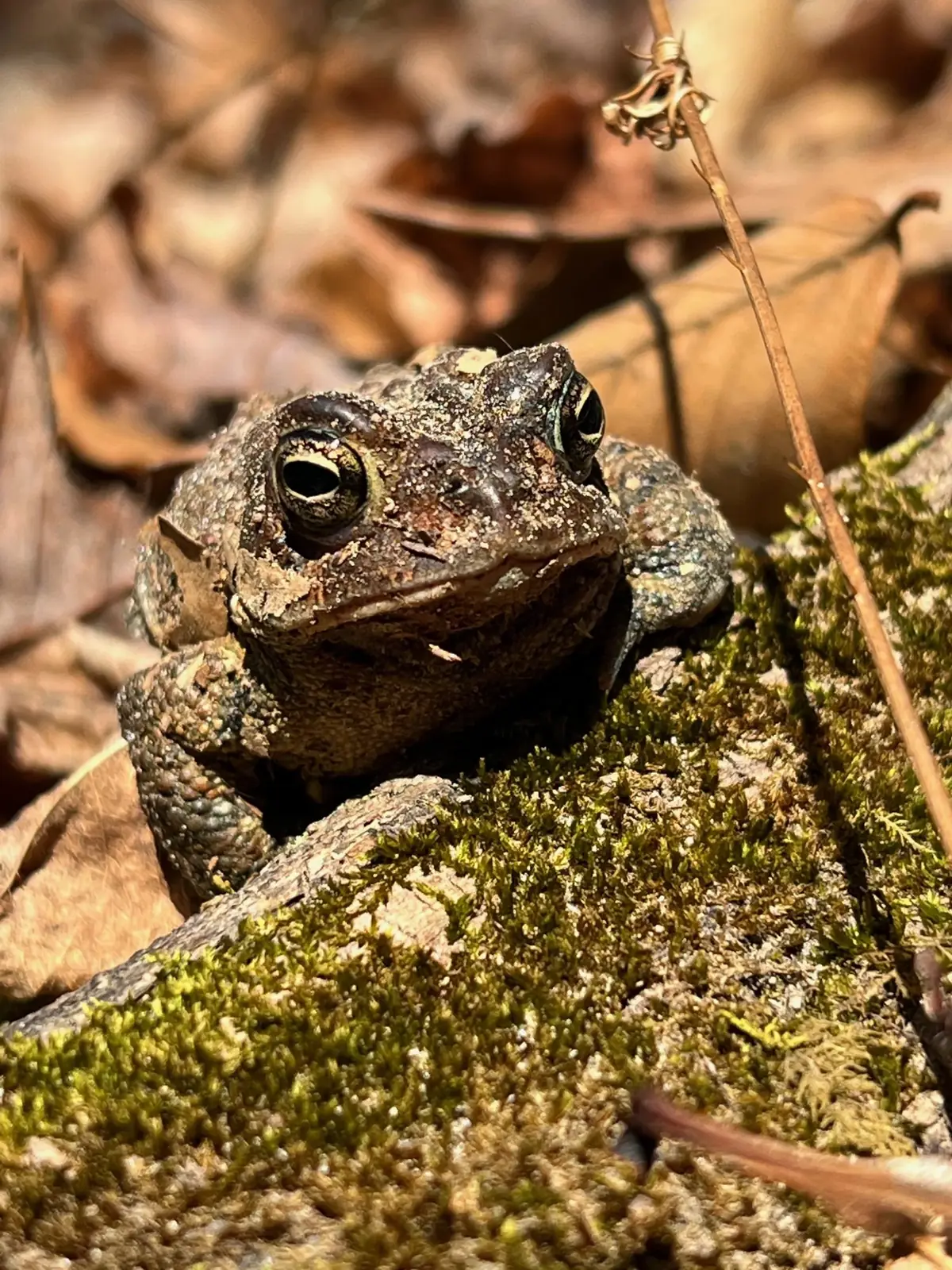 Toad, southeastern US
Many small stresses add up
Population declines rarely stem from a single stressor. Exposure to contaminants, or secondary metabolites, may not kill animals outright, but can disrupt hormonal signaling and weaken immune defenses. Detoxification and immune responses also use up energy that could otherwise go to growing and breeding. Together, these stresses leave populations more likely to be hit hard by new diseases or more pollution.
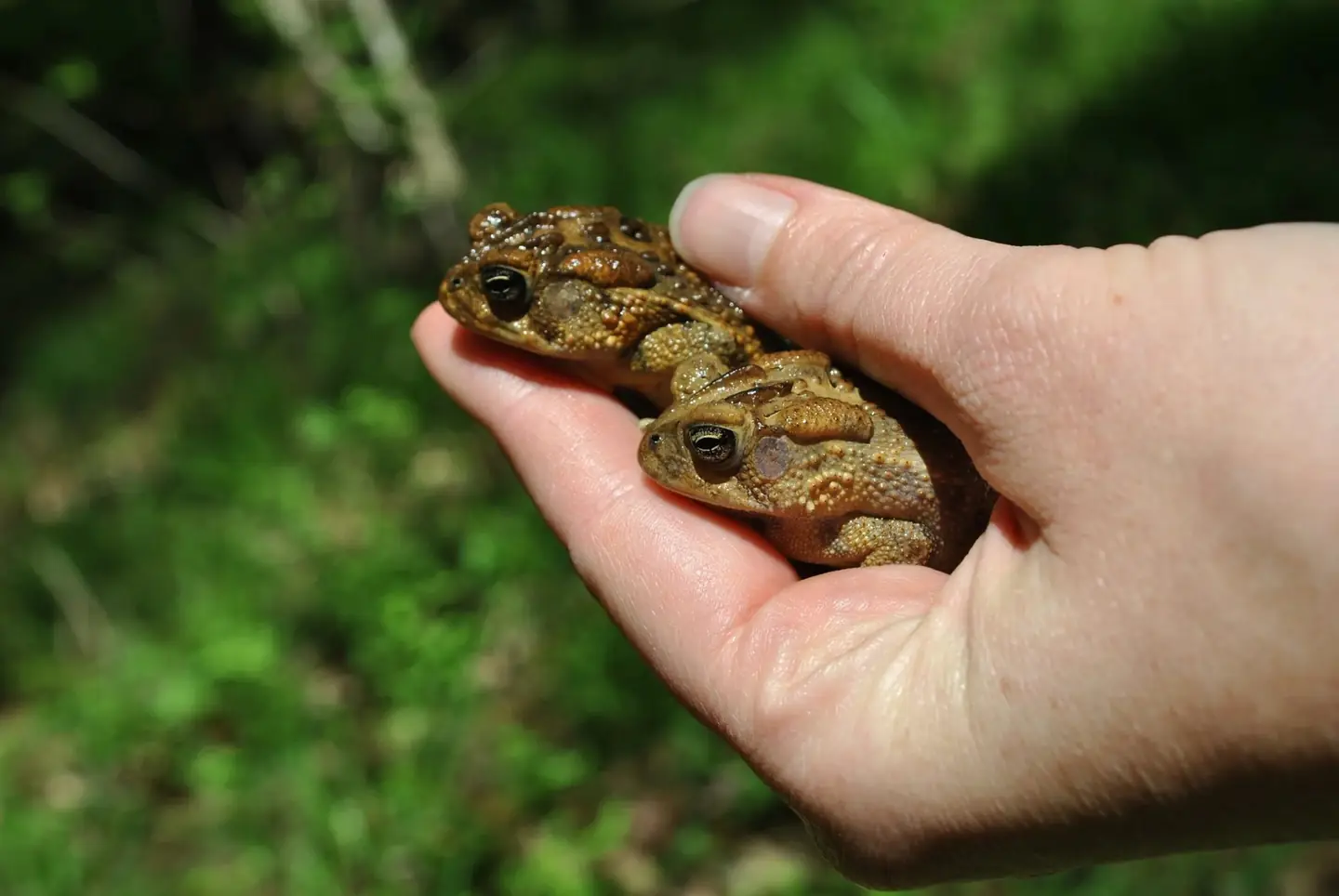 Toads in the field
Lessons beyond the pond
Studying amphibians under environmental stress matters beyond conserving susceptible species. Amphibians sit at the evolutionary transition between aquatic and terrestrial vertebrates, so their systems for managing contamination, infection, and physiological stress are versions of those found across vertebrates, from fish to mammals.
How heavy metals, agrochemicals, and secondary metabolites disrupt hormones and immunity, are also central questions in human medicine. Amphibian physiology and sensitivity allow researchers to study these questions in ways other model systems cannot.
Selected publications from this project
All publications →Collaborations
This work is carried out in collaboration with a number of researchers. The closest collaborators are listed here.
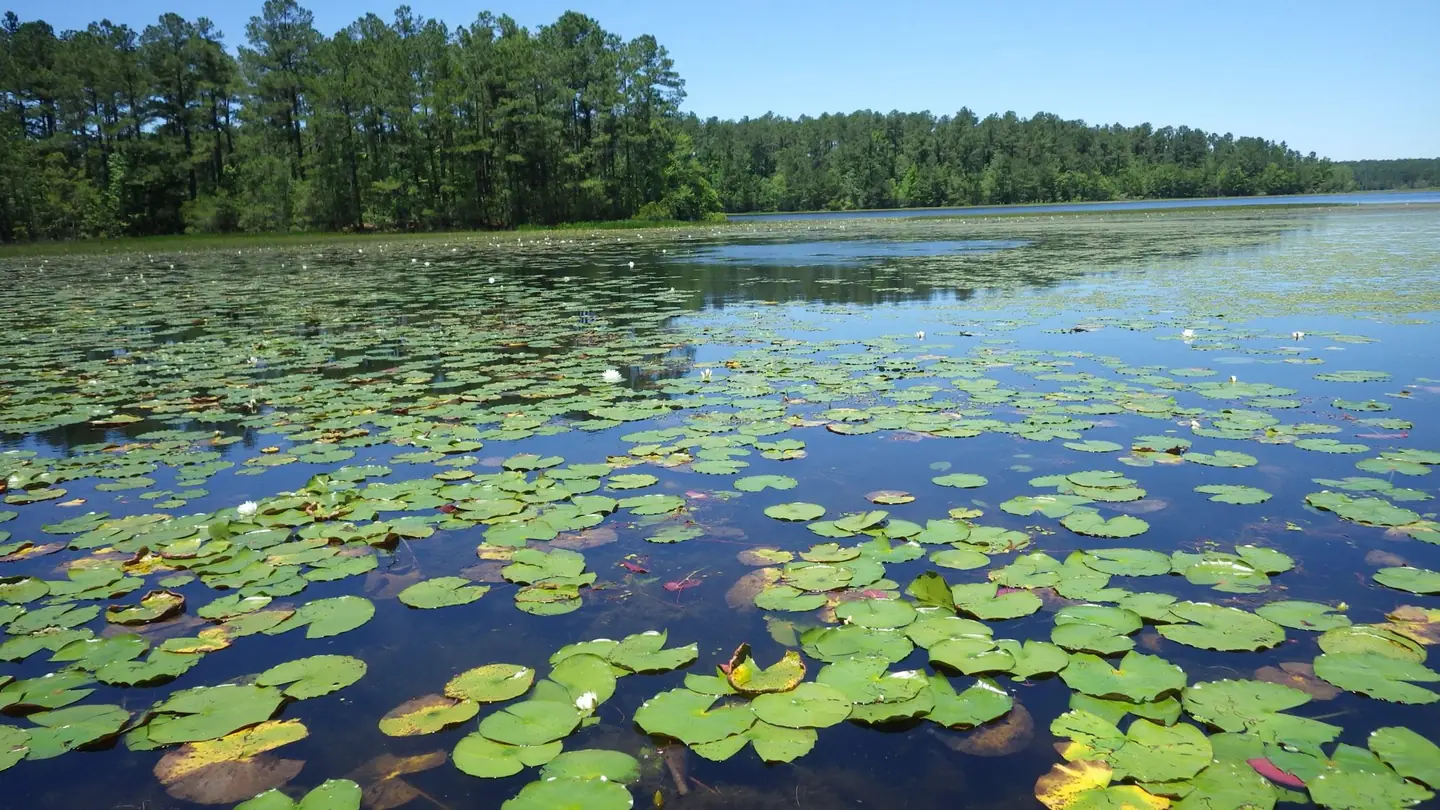
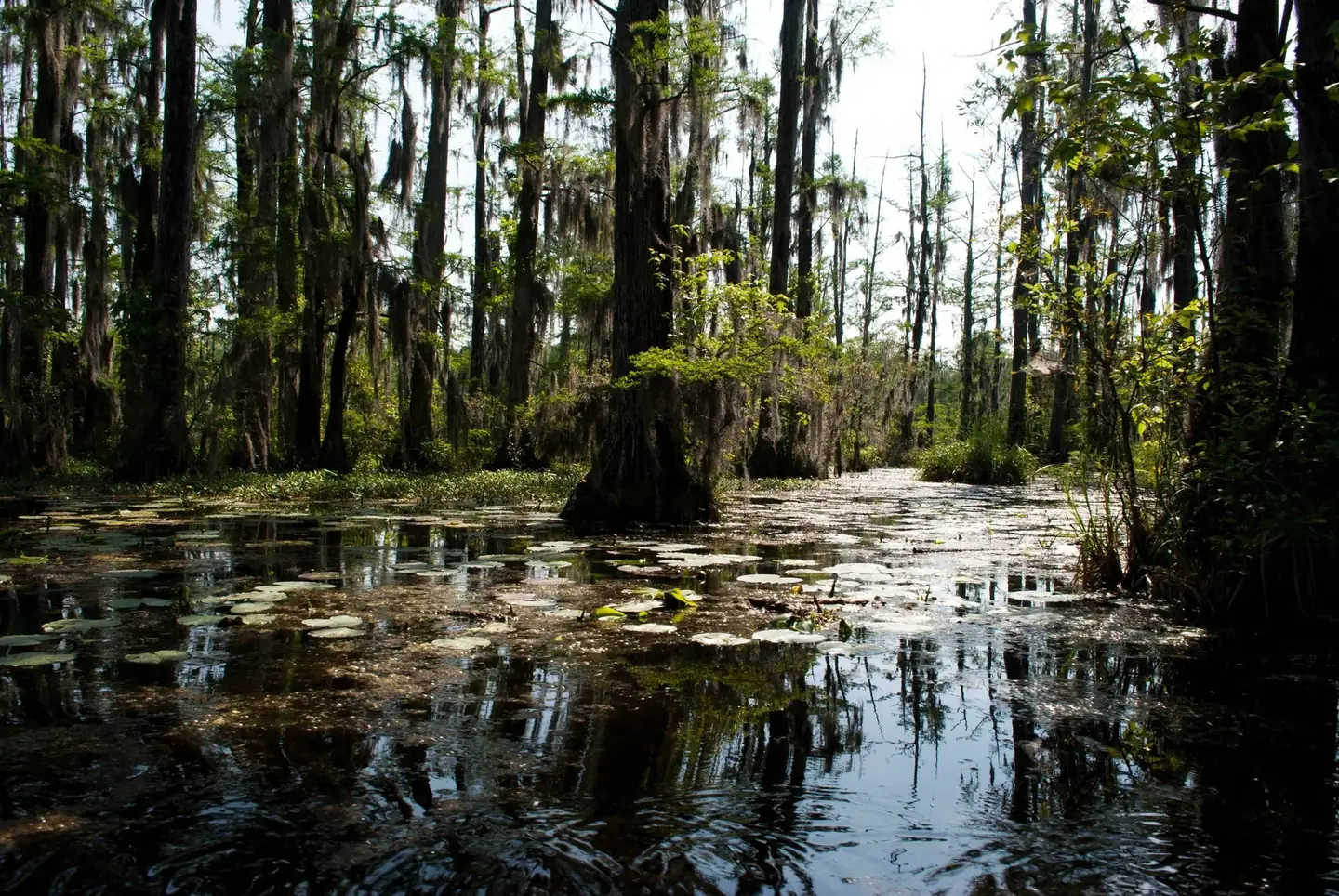
Life in the wetlands of the southeastern United States.