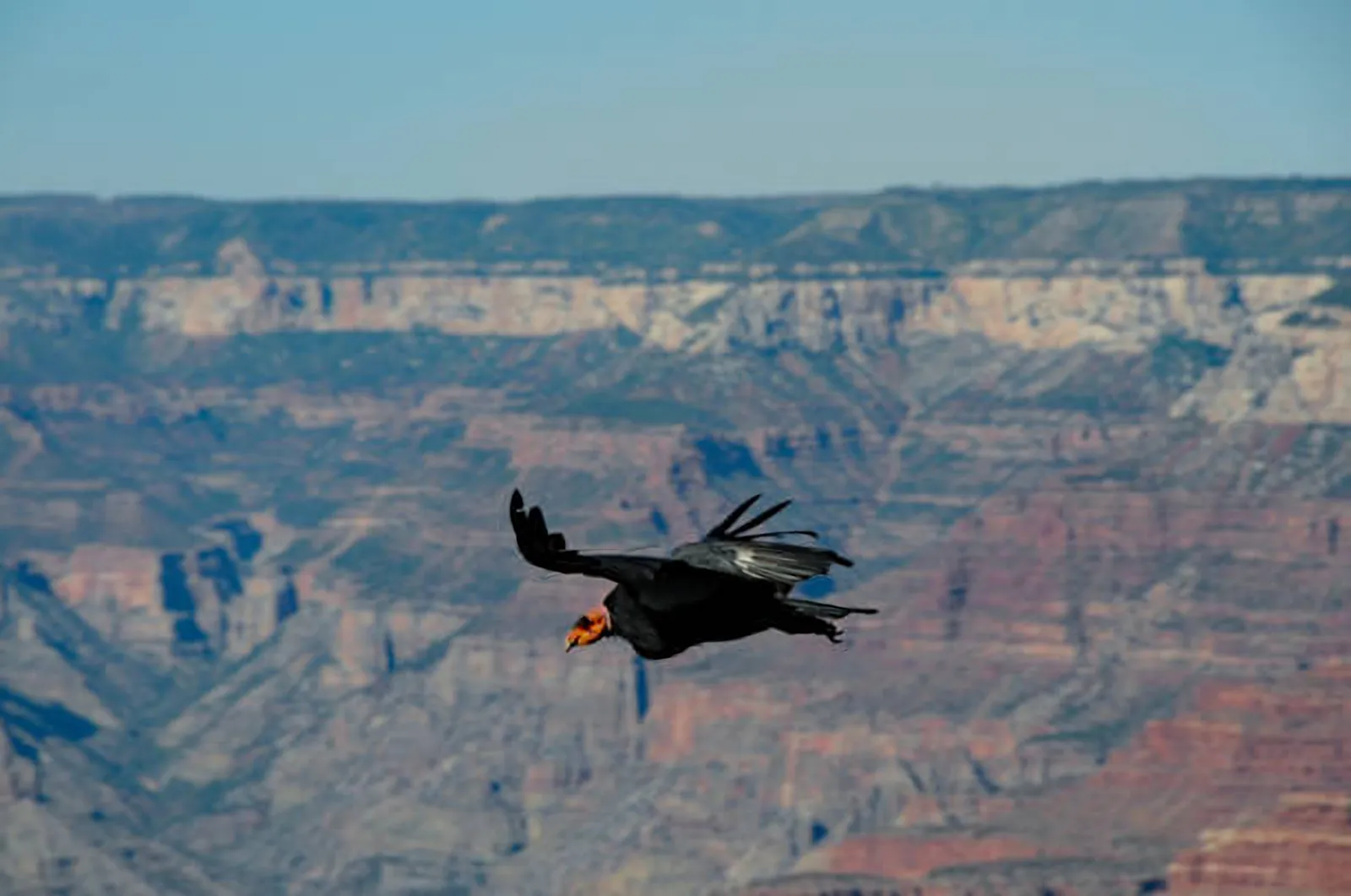
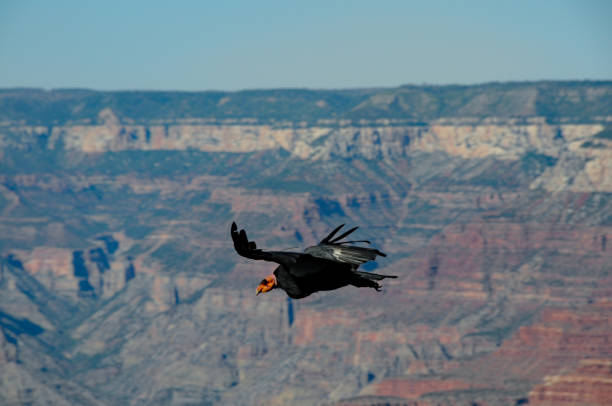
 California condor in flight
An Ice Age survivor
For tens of thousands of years, California condors have cleaned up after large predators, feeding on the carcasses left by animals such as sabertooth cats. The birds still fill that role today, but the carcasses they find can now carry fragments of lead ammunition left behind by hunters.
The species made it through the extinctions that ended the last Ice Age, yet its numbers collapsed until just 22 birds remained in 1982. Researchers eventually identified lead poisoning as a leading cause.
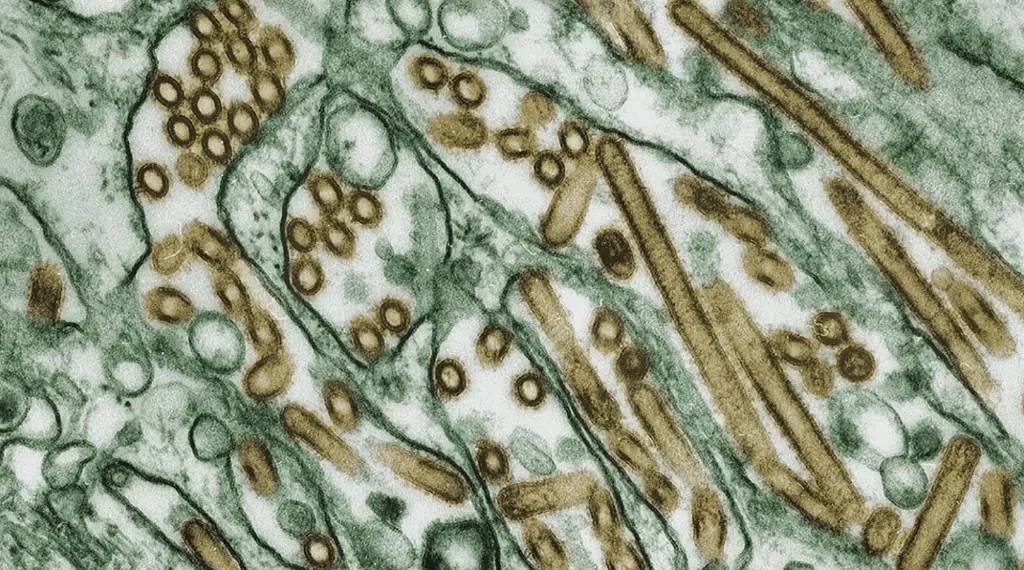 Avian influenza virus, electron micrograph
Reading resilience at the molecular level
In collaboration with researchers from federal, not-for-profit, academic, and private agencies, Cara investigates how condors respond to and, in some cases, withstand these stressors. By examining how their bodies handle stress and process toxins, this research aims to find what determines whether an individual survives or succumbs.
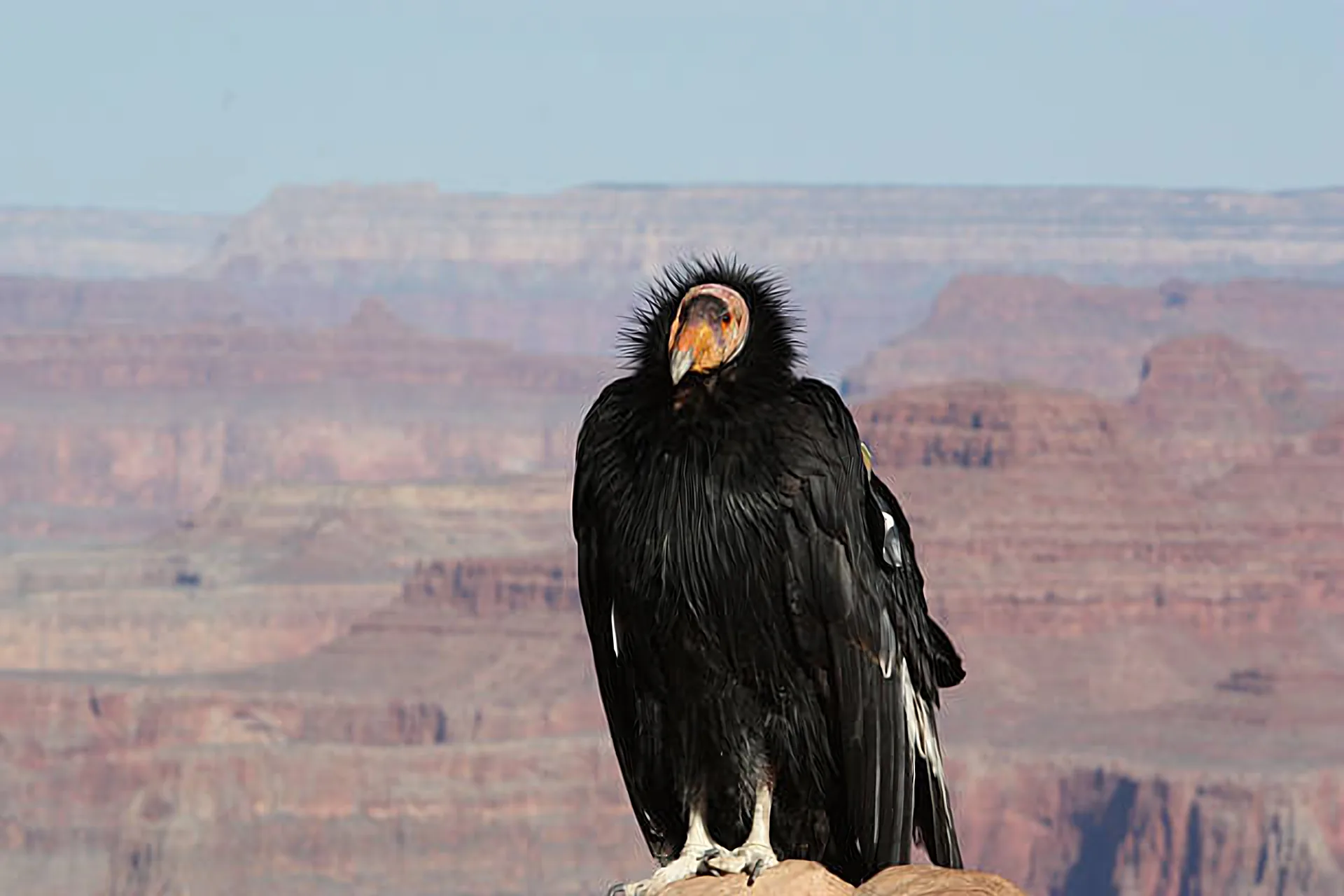
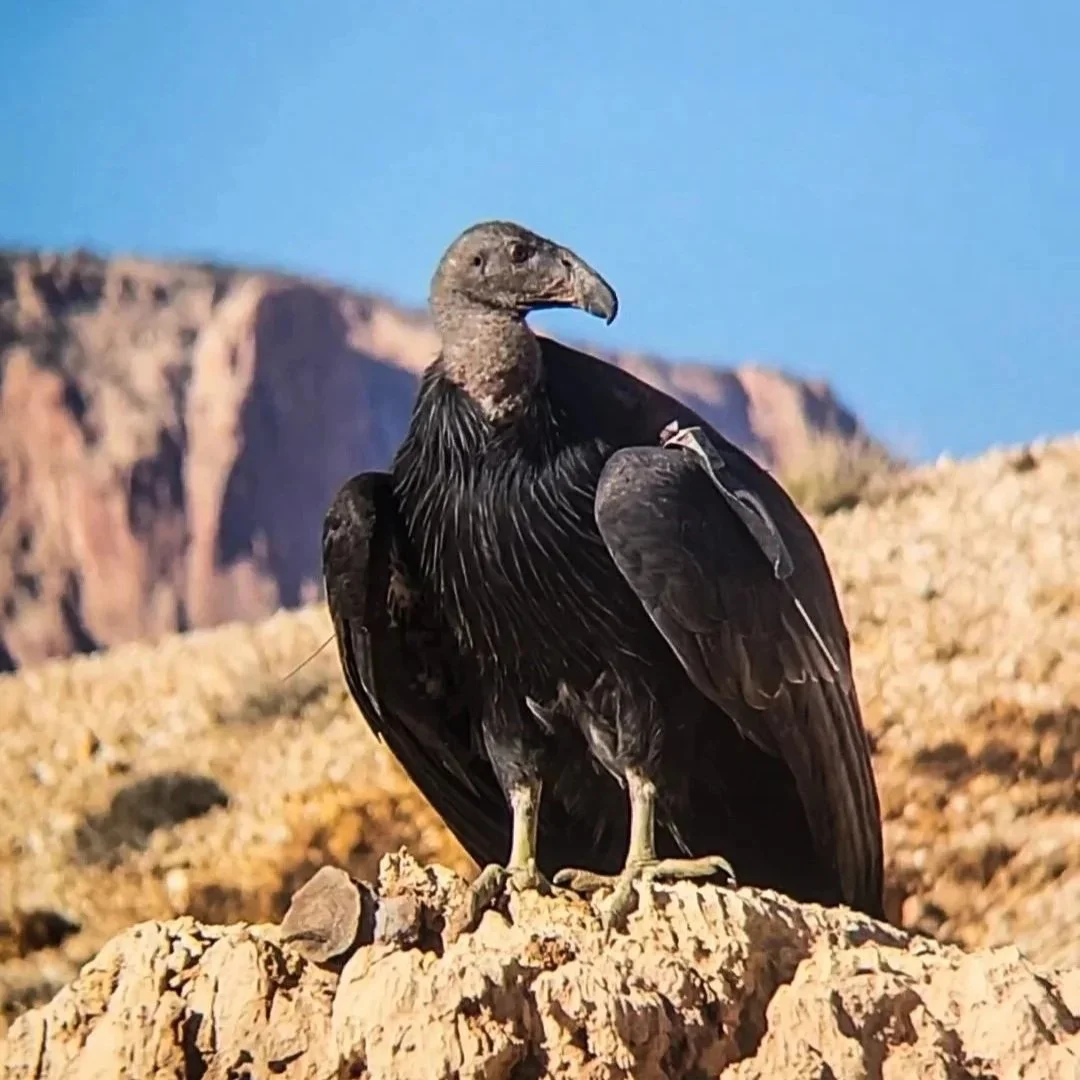 California condor
Two threats, working in tandem?
Nobody yet knows why some condors survive amounts of lead, or exposure to disease, that kill others.
Understanding what differentiates survivors from non-survivors could help protect condors, and teach us how other animals survive threats like these.
 Smelting scrap metal, a major source of lead exposure
Why this goes beyond the California condor
The condor is a window into biology we don’t yet fully understand. How an animal fights off a novel disease, processes high levels of toxic metals, or copes with both at once are questions that apply to many animals, including people.
What condors teach us about lead could help us understand lead toxicity in humans. And what we learn about avian influenza resilience has direct relevance to pandemic preparedness and response.
Collaborations
This work is incredibly collaborative and builds on decades of dedicated research and conservation efforts of so many individuals. Some of the closest collaborators are listed below, but this list is ever growing.